Request
Quote

International Equipments is one of India's leading manufacturers, suppliers and exporters of laboratory Polymer Testing Equipments — covering the complete range of instruments needed for the quality control, grade qualification, R&D and failure analysis of engineering plastics, master-batch, compounded polymers, speciality polymers and composites. Built at our Mumbai facility since 1971 and exported to over 50 countries, our polymer testing instruments are installed in the QC and R&D laboratories of polymer producers, master-batch compounders, engineering plastic moulders, automotive component manufacturers, defence and ordnance establishments, and premier polymer research institutions including CIPET.
Polymer testing is the most R&D-intensive of our testing-equipment categories — it serves not just routine production QC but also the demanding requirements of polymer grade development, new compound qualification, composite material characterisation and advanced materials research. Our polymer testing instruments measure the full spectrum of polymer properties: melt flow behaviour, mechanical strength and toughness, thermal performance (softening point, heat deflection, oxidation stability), environmental stress cracking resistance, density and compositional makeup. We supply the complete polymer-testing instrument range from a single Mumbai facility.
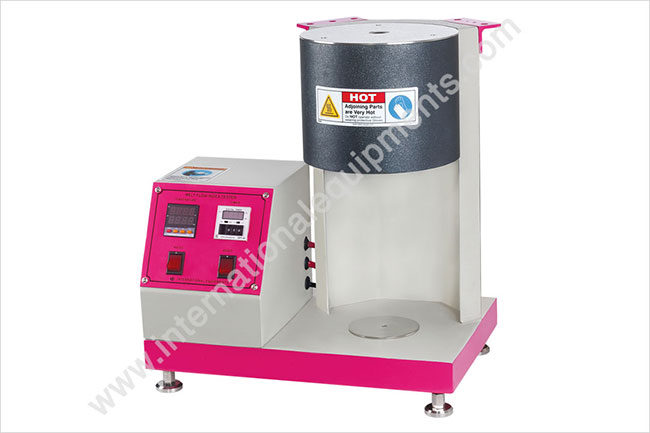 Melt Flow Index Tester(KAYJAY/ 2005/CE)Read More
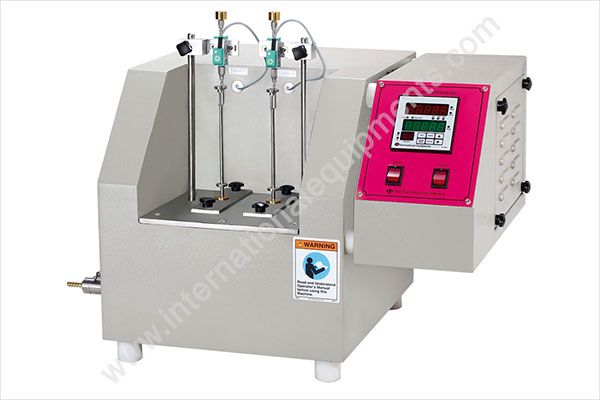 VSP / HDT apparatusRead More
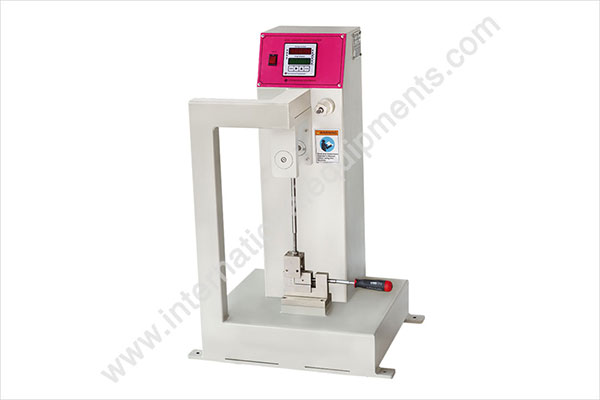 Izod / Charpy impact testerRead More
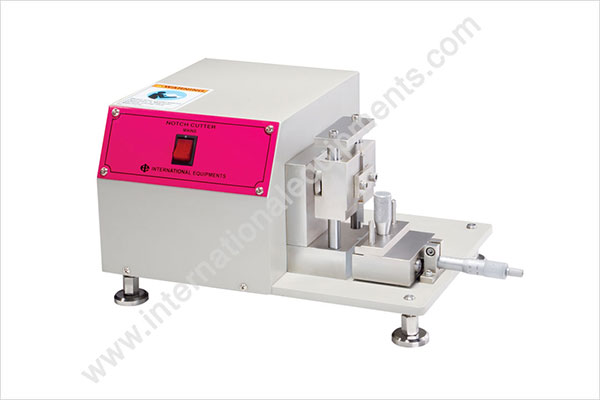 Motorized Notch CutterRead More
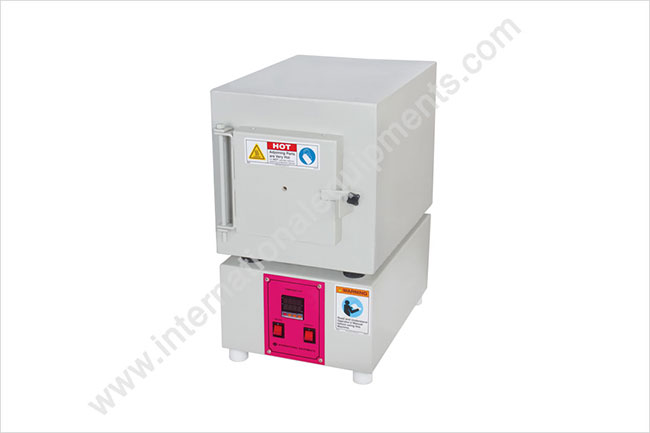 Muffle FurnaceRead More
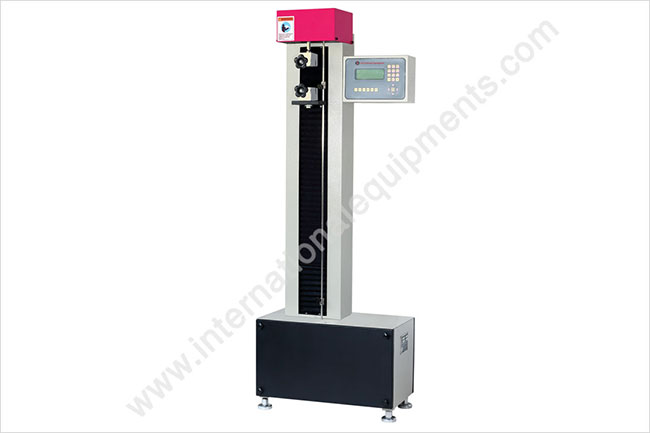 Single Screw Tensile Testing MachineRead MoreE.S.C.R.Read More
Equipment for testing Master batch, Engineering plastics, Compounding and Speciality polymers such as PE-KK (Poly Ether-Ketone-Ketone), SAN (styrene Acrilo-Nitrile) and composites such as Poly Carbonate, ABS, Poly Styrene, Thermo plastic resins, Amides and thermoplastic Elastomers, PE, Nylon, Rigid PVC, PP with glass filled, Medium Density poly ethylene (MDPE), High density poly ethylene (HDPE) and various different material testing.
Polymer testing is the systematic laboratory measurement of a polymer's mechanical, thermal, physical, rheological and chemical properties — to characterise the polymer for quality control, grade qualification, R&D development or failure analysis. While closely related to plastic testing and material testing, polymer testing carries a particular emphasis on the science of the material itself: measuring how molecular weight, crystallinity, filler content, additive loading and processing history affect the polymer's behaviour. This makes polymer testing the natural domain of polymer producers, master-batch compounders, R&D laboratories and academic / research institutions.
The polymer materials tested span an enormous range — from commodity polyolefins (PE, PP, HDPE, MDPE) through engineering plastics (ABS, PC, PA/Nylon, POM, SAN) to high-performance speciality polymers (PEKK and other PEEK-family polymers) and fibre-reinforced composites (glass-filled PP, glass-filled nylon). Each material family has its own characteristic property profile and its own testing requirements. Our instrument range — built specifically for the load ranges, temperature ranges and sample geometries relevant to polymer materials — covers the testing needs across this complete spectrum.
Commodity Polyolefins (PE, HDPE, MDPE, PP)
Polyethylene (PE), High-Density Polyethylene (HDPE), Medium-Density Polyethylene (MDPE), Polypropylene (PP) — the high-volume commodity polymers used in packaging, pipes, containers and consumer products. Tested for MFI, density, tensile, impact, OIT (for HDPE/MDPE pipe grades), ESCR and ash content.
Engineering Plastics (ABS, PC, PA/Nylon, POM, SAN)
Acrylonitrile Butadiene Styrene (ABS), Polycarbonate (PC), Polyamide/Nylon (PA), Polyoxymethylene (POM), Styrene Acrylonitrile (SAN) — the higher-performance engineering plastics used in automotive, electronics and durable goods. Tested for tensile, flexural, Izod/Charpy impact (critical for engineering plastics), VSP/HDT, MFI, density and moisture (for hygroscopic grades like PA, PC, ABS).
Speciality & High-Performance Polymers (PEKK, PEEK family)
Poly Ether-Ketone-Ketone (PEKK) and the broader PEEK family of high-performance semi-crystalline thermoplastics — used in aerospace, medical implants, oil-and-gas and demanding engineering applications. Tested for high-temperature mechanical properties, VSP/HDT (these polymers have very high softening points), thermal stability and density.
Thermoplastic Elastomers (TPE, TPV)
Thermoplastic Elastomers and Thermoplastic Vulcanisates — combining rubber-like flexibility with thermoplastic processability. Tested using both plastic methods (MFI, tensile) and rubber methods (ASTM D 412 tensile, heat ageing).
Glass-Filled & Fibre-Reinforced Composites
Glass-filled PP, glass-filled nylon (PA-GF), and other fibre-reinforced polymer composites — where glass fibre dramatically increases stiffness and strength. Tested for tensile and flexural strength (much higher than the base polymer), Izod/Charpy impact, HDT (significantly elevated by glass fill), ash content (to verify the glass-fibre loading percentage via the Muffle Furnace).
Master-Batch & Compounded Polymers
Colour master-batch, additive master-batch, filler master-batch and fully-compounded polymer grades — where pigments, additives, fillers and modifiers are blended into a base polymer. Tested for MFI (to verify compound consistency), density, ash content (filler loading), dispersion quality and the mechanical/thermal properties imparted by the compound.
Rigid PVC, Styrenics & Other Thermoplastic Resins
Rigid (unplasticized) PVC, Polystyrene (PS), and the broad family of thermoplastic resins and amides. Tested for VSP (critical for rigid PVC), tensile, impact, MFI and density.
Polymer testing instruments fall into five broad categories. A complete polymer testing laboratory typically needs instruments spanning all five:
Rheological Testing (Melt Flow)
The Melt Flow Index Tester characterises the molten-polymer flow behaviour — the single most-used polymer QC measurement, directly correlating with molecular weight and processability. Available in Manual, Auto-cut and Computerised variants. The gatekeeper test for every incoming polymer batch and the primary grade-consistency check.
Mechanical Testing (Tensile, Flexural, Impact)
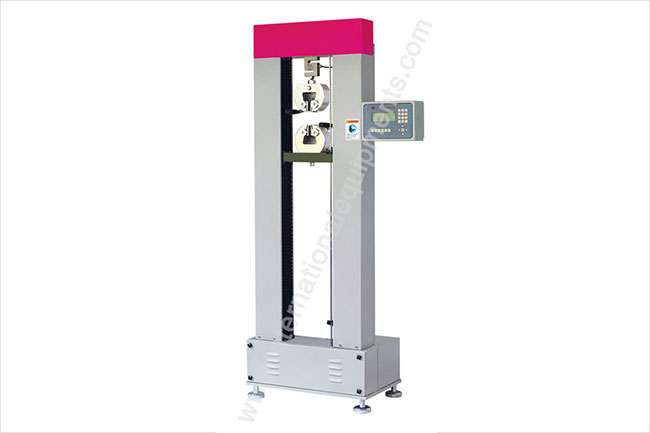
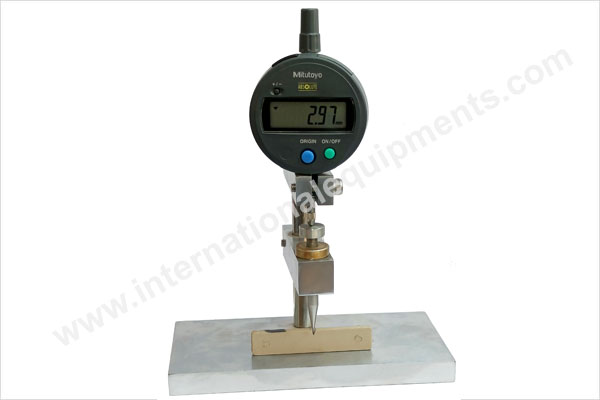
The Universal Testing Machine and Single-Screw Tensile Testing Machine measure tensile, flexural and compression properties. The Izod / Charpy Impact Tester measures impact toughness — particularly critical for engineering plastics and glass-filled composites where impact behaviour is a key design property. The Motorized Notch Cutter and Micro-meter Jig prepare and verify impact specimens.
Thermal Testing (VSP, HDT, OIT, Ash)
The VSP / HDT Apparatus measures Vicat Softening Point and Heat Deflection Temperature — defining the maximum service temperature of the polymer (especially important for engineering plastics and high-performance polymers). The OIT Apparatus measures oxidation stability. The Muffle Furnace measures ash / filler content. The Hot Air Oven provides conditioning and ageing.
Environmental & Physical Testing (ESCR, Density, Moisture)
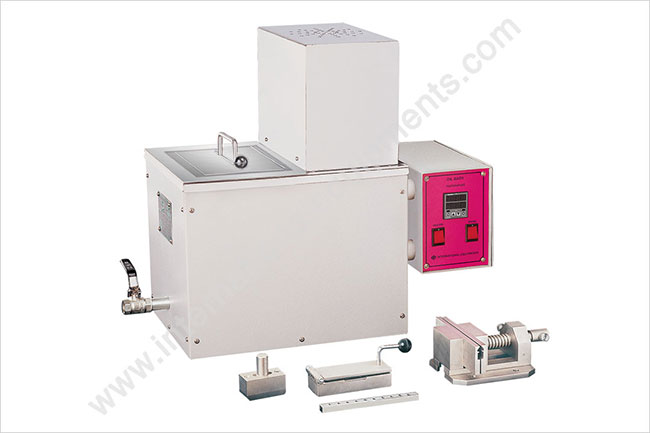
The ESCR Apparatus measures environmental stress cracking resistance (critical for HDPE grades). The Digital Density Apparatus measures density (verifies composition and filler loading). The Moisture Analyser measures moisture content (essential for hygroscopic engineering polymers like PA, PC, ABS before processing).
Sample Preparation
The Hydraulic Press (with ASTM/ISO cutting dies) and Contour Cutter produce dimensionally-accurate test specimens; the Motorized Notch Cutter adds the standard notch for impact specimens. Reliable polymer test results depend on correctly-prepared specimens.
The most-used polymer QC instrument — characterises molten-polymer flow, directly correlating with molecular weight. Available in Manual, Auto-cut and Fully Computerised variants. The gatekeeper test for every incoming polymer batch, master-batch and compound.
What it tests: Melt flow rate (MFR) and melt volume rate (MVR) of polymers per ASTM D 1238 and ISO 1133.
Twin-column computerised UTM with PC software — handles all major mechanical-property tests on a single machine. Essential for engineering plastics and glass-filled composites where tensile and flexural strength are key design properties. Configurable load range.
What it tests: Tensile, flexural, compression and other mechanical properties per ASTM D 638, D 790, D 695, ISO 527.
Economical single-screw tensile tester — ideal for laboratories focused on routine polymer tensile testing where the UTM's full multi-test capability is not needed.
What it tests: Tensile strength and elongation of polymer specimens per ASTM D 638, ISO 527.
Pendulum impact tester with computerised readout — the key toughness measurement for engineering plastics (ABS, PC, PA) and glass-filled composites. Multiple pendulum capacities for low-impact brittle polymers through to high-impact tough grades.
What it tests: Notched impact strength (Izod and Charpy methods) per ASTM D 256, D 6110 and ISO 180.
Motorised cutter producing the ASTM/ISO-compliant notch on impact specimens — far more accurate than hand-cutting. Essential companion to the Izod/Charpy Impact Tester for valid impact results.
What it tests: Precision notch cutting of Izod / Charpy specimens per ASTM D 256 and ISO 180 (Type A 45° notch).
Quality-verification jig confirming the notch dimensions meet ASTM D 256 / ISO 180 before impact testing — ensures reproducible, valid impact results.
What it tests: Verification of notch depth and tip radius on Izod / Charpy specimens.
Combined instrument for the two key thermal-property tests — defines the maximum service temperature of a polymer. Critical for engineering plastics, glass-filled composites (which have dramatically elevated HDT) and high-performance polymers like PEKK.
What it tests: Vicat Softening Point per ASTM D 1525 / ISO 306 and Heat Deflection Temperature per ASTM D 648 / ISO 75.
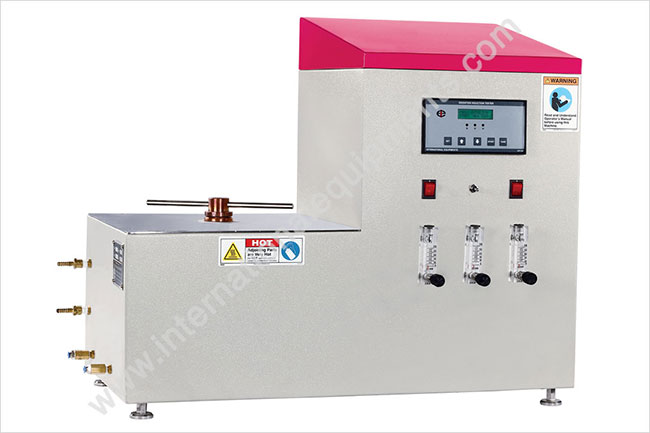
Measures antioxidant content and long-term thermal stability of HDPE, MDPE, PP and other polyolefins. Essential for polymer grade qualification, especially pipe and PLB duct grades.
What it tests: Oxidation Induction Time of polyolefins per ASTM D 3895 and ISO 11357-6.
What it tests: Environmental Stress Cracking Resistance of HDPE per ASTM D 1693.
High-temperature furnace for ash content determination — burns away the polymer matrix, leaving only the inorganic residue. Essential for verifying glass-fibre loading in glass-filled composites and filler loading in compounded polymers.
What it tests: Ash content / filler loading of polymers and composites per ASTM D 5630 and ISO 3451-1 (ambient to 1150°C).
Digital balance with built-in density-determination kit — gives direct density readout via water displacement. Routine incoming-material and batch QC; also verifies filler loading in compounded grades (filler raises density).
What it tests: Density and specific gravity of polymers and composites per ASTM D 792 and ISO 1183.
Precision laboratory oven — for sample conditioning before mechanical testing, accelerated heat-ageing studies, and drying of polymer granules. A general-purpose workhorse in every polymer lab.
What it tests: Polymer conditioning, accelerated heat ageing and drying per ASTM D 573, D 618 (ambient to 250°C).
Halogen-lamp moisture analyser — critical for hygroscopic engineering polymers (PA/Nylon, PC, ABS, SAN) which absorb atmospheric moisture and MUST be dried before moulding to avoid hydrolytic degradation and surface defects.
What it tests: Moisture content of polymer granules before processing.
5-tonne bench-top sample cutting press — the foundation specimen-preparation instrument. Cuts ASTM/ISO standard test specimens for downstream tensile and impact tests. Dies supplied separately.
What it tests: Cuts standard dumbbell, strip, disc and bar test specimens from polymer sheet up to 4 mm thick.
Companion to the Hydraulic Press for thin samples and custom specimen shapes that standard dies cannot produce. Many polymer R&D labs have both for complete specimen-preparation flexibility.
What it tests: Powered cutting of thin polymer film and complex specimen shapes.
Precision direct-readout GSM balance — area-weight consistency check for polymer film and sheet products.
What it tests: Grams per square metre of polymer film and sheet samples.
ASTM D 1238 — Melt Flow Rates of Thermoplastics
ASTM D 638 — Tensile Properties of Plastics
ASTM D 790 — Flexural Properties of Plastics
ASTM D 695 — Compressive Properties of Rigid Plastics
ASTM D 256 — Izod Pendulum Impact Resistance
ASTM D 6110 — Charpy Impact Resistance
ASTM D 1525 — Vicat Softening Temperature
ASTM D 648 — Heat Deflection Temperature
ASTM D 3895 — Oxidation Induction Time (OIT)
ASTM D 1693 — Environmental Stress Cracking Resistance
ASTM D 792 — Density and Specific Gravity by Displacement
ASTM D 5630 — Ash Content in Plastics
ASTM D 618 — Conditioning Plastics for Testing
ISO 1133 — Melt Mass-Flow Rate
ISO 527 — Plastics: Tensile Properties
ISO 178 — Plastics: Flexural Properties
ISO 180 — Izod Impact Strength
ISO 75 — Heat Deflection Temperature
ISO 306 — Vicat Softening Temperature
ISO 1183 — Density of Plastics
ISO 11357-6 — DSC Determination of Oxidation Induction Time
ISO 3451-1 — Plastics: Ash Determination
IS 13360 — Methods of Test for Plastics
Different polymers require different combinations of tests. The matrix below shows which instruments are typically applied to each polymer category:
Engineering Plastics (ABS, PC, PA, POM, SAN)
UTM Tensile + Flexural, Izod/Charpy Impact + Notch Cutter, VSP/HDT, MFI, Density, Moisture Analyser (essential for PA/PC/ABS/SAN)
High-Performance Polymers (PEKK, PEEK family)
UTM Tensile + Flexural (high-temp), VSP/HDT (very high softening point), Density, Thermal stability tests
Commodity Polyolefins (PE, HDPE, MDPE, PP)
MFI, Density, Tensile, Izod/Charpy Impact, OIT (HDPE/MDPE), ESCR (HDPE), VSP/HDT, Ash Content
Glass-Filled / Fibre-Reinforced Composites
UTM Tensile + Flexural (elevated strength), Izod/Charpy Impact, HDT (elevated), Ash Content (verify glass loading), Density
Master-Batch & Compounded Polymers
MFI (compound consistency), Density, Ash Content (filler loading), Mechanical + Thermal verification
Thermoplastic Elastomers (TPE, TPV)
MFI, Tensile (D 412 rubber method), Heat Ageing (Hot Air Oven), Density, Hardness (sourced separately)
Rigid PVC & Styrenics (PS, SAN)
VSP (critical for rigid PVC), Tensile, Izod/Charpy Impact, MFI, Density
Polymer Granules / Resin (Incoming QC)
MFI, Density, Moisture Analyser, OIT, Ash Content
R&D / New Grade Qualification
Full suite: MFI, UTM, Izod/Charpy, VSP/HDT, OIT, ESCR, Density, Muffle Furnace, Moisture, Hot Air Oven
Our polymer testing equipment is installed in QC and R&D laboratories of leading automotive, defence, battery and polymer-research organisations, including:
Toyota — global automotive manufacturer; polymer component QC and R&D
Fiat — global automotive manufacturer; plastic and polymer component testing
Volkswagen — global automotive manufacturer; engineering plastic component QC
Exide Industries — India's largest battery manufacturer; polymer battery-casing and component testing
CIPET (Central Institute of Petrochemicals Engineering & Technology) — India's premier polymer / plastics education and research institute
Rifle Factory (Ordnance / Defence) — defence manufacturing; polymer component testing for arms and equipment
Ordnance Factory (Defence) — Indian defence manufacturing; polymer and composite component QC
Plus many other automotive, defence, battery, engineering plastic and polymer R&D organisations — full client list available on request






Polymer Producers & Petrochemical Companies
Master-batch & Compound Manufacturers
Engineering Plastic Moulders (ABS, PC, PA, POM, SAN)
Automotive Component Manufacturers (Toyota, Fiat, Volkswagen supply chains)
Glass-Filled & Composite Component Manufacturers
High-Performance & Speciality Polymer Processors (PEEK, PEKK)
Battery & Electrical Component Manufacturers (Exide and others)
Defence, Ordnance & Aerospace Establishments
Recycled Polymer Compounders
Thermoplastic Elastomer (TPE / TPV) Manufacturers
Polymer Research Institutes & Universities (CIPET and others)
Government Testing Labs, NABL Accredited Labs & BIS-Approved Test Houses
R&D Centres of Polymer, Automotive and Chemical Companies
Complete Polymer Testing Range Under One Roof
MFI + UTM + Tensile Tester + Izod/Charpy Impact + Notch Cutter + Notch Jig + VSP/HDT + OIT + ESCR + Muffle Furnace + Density + Hot Air Oven + Moisture Analyser + Hydraulic Press + Contour Cutter + GSM Balance — 16 instruments, all designed and built at our Mumbai facility. One supplier for the complete polymer testing laboratory.
Trusted by Global Automotive, Defence & Research Organisations
Our polymer testing equipment is installed at Toyota, Fiat, Volkswagen, Exide, CIPET (India's premier polymer institute), Rifle Factory and Ordnance Factory — a client list spanning the most demanding automotive, defence and research applications. This is the strongest possible validation of our instruments' accuracy and reliability.
Engineering Plastics & Composite Expertise
Our instruments are configured for the demanding requirements of engineering plastics (ABS, PC, PA, POM, SAN), high-performance polymers (PEKK) and glass-filled composites — higher load ranges for reinforced materials, higher temperature ranges for high-HDT polymers, and the impact-testing capability that engineering-plastic grade qualification demands.
R&D & Grade-Qualification Capability
Beyond routine production QC, our complete instrument suite supports the demanding requirements of polymer grade development, new compound qualification and composite characterisation — the work done in polymer producer R&D centres and research institutions like CIPET.
Full Coverage of ASTM, ISO, BIS Standards
Every instrument complies with the relevant ASTM (USA), ISO (international) and BIS / IS (India) polymer test standards — covers domestic, USA-export and European-export polymer specifications from a single supplier.
Complete Laboratory Package Pricing
Buy your entire polymer testing laboratory from us — package quotations cover the instrument suite needed for your specific polymers, with single commissioning visit, single training programme. Significantly more attractive than instrument-by-instrument pricing.
ISO Certified, CE Marked Manufacturing
Designed and built at our Mumbai facility under ISO certified quality systems, with CE marking for export to the Middle East, Africa, South-East Asia, Europe and South America. Manufacturing since 1971, exported to 50+ countries.
Calibration Support
We offer one calibration visit per year, which is sufficient to maintain the accuracy and performance of the equipment. The calibration visit is provided after completion of the initial 1-year warranty period.
For a starter polymer testing lab the typical 'minimum viable' suite is: (1) Melt Flow Index Tester — the single most-used polymer QC test; (2) Universal Testing Machine or Single-Screw Tensile Testing Machine — for mechanical properties; (3) Izod / Charpy Impact Tester + Motorized Notch Cutter — for impact toughness (critical for engineering plastics); (4) Digital Density Apparatus — for density and composition verification; (5) Hot Air Oven — for sample conditioning; (6) Hydraulic Press + dies — for specimen preparation. Beyond these foundations, the extension depends on polymer type: engineering plastics add VSP/HDT + Moisture Analyser; polyolefin pipe grades add OIT + ESCR; glass-filled composites add Muffle Furnace for ash/glass-loading verification.
There is significant equipment overlap — many instruments (MFI, UTM, Izod/Charpy, VSP/HDT, Density, Muffle Furnace) serve all three categories. The pages are organised by SEO-targeted terminology and audience. 'Polymer Testing' is favoured by polymer producers, master-batch compounders, R&D scientists and research institutions — it carries a particular emphasis on the materials science and grade development. 'Plastic Testing' is favoured by plastics processors and product manufacturers. 'Material Testing' is the broadest general-engineering term. The underlying instruments largely overlap — use whichever page matches your terminology and focus.
Engineering plastic grade qualification requires: (1) Melt Flow Index Tester — for melt flow / molecular weight characterisation; (2) Universal Testing Machine — for tensile and flexural strength; (3) Izod / Charpy Impact Tester + Notch Cutter — for impact toughness (the defining property of engineering plastics); (4) VSP / HDT Apparatus — for maximum service temperature; (5) Digital Density Apparatus — for density; (6) Moisture Analyser — essential because PA (Nylon), PC, ABS and SAN are hygroscopic and must be dried before moulding to avoid hydrolytic degradation. We supply all of these — please mention your specific engineering plastic grades in the enquiry.
Glass-fibre content (loading percentage) is verified using the Muffle Furnace by the ash-content method per ASTM D 5630 / ISO 3451. A weighed sample of the glass-filled composite is heated in the furnace to a high temperature (typically 600°C+) which burns away the polymer matrix completely, leaving only the inorganic glass fibre as residue. The residue is weighed, and the glass-fibre percentage is calculated as residue weight divided by original sample weight. This is the standard method for verifying that a glass-filled grade (e.g., '30% glass-filled nylon') actually contains the specified glass loading.
Yes, with appropriate configuration. PEKK and the PEEK family are high-performance semi-crystalline thermoplastics with very high melting points and softening temperatures — so the VSP/HDT Apparatus and any thermal testing must be configured for the elevated temperature ranges these polymers require. The UTM tests their (high) tensile and flexural strength normally. Please mention that you are testing PEEK-family polymers in your enquiry so we can confirm the high-temperature configuration of the relevant instruments.
Engineering polymers like PA (Nylon), PC (Polycarbonate), ABS and SAN are hygroscopic — they absorb moisture from the atmosphere. If these polymers are moulded while containing excess moisture, the moisture causes hydrolytic degradation (the polymer chains break down), surface defects (splay marks, bubbles), and significantly reduced mechanical properties in the finished part. The Moisture Analyser verifies that the granules have been dried to below the maximum allowable moisture content before moulding. For PA and PC especially, moisture testing is a non-negotiable incoming-material QC step.
Yes. We provide free online installation, commissioning, and operator training. On-site installation and training can also be arranged on a chargeable basis depending on location and requirements.
Yes. For customers buying multiple instruments from us, we provide free on-line installation of every instrument, operator training on each test method and each instrument's software, and factory calibration certificates anywhere in India. A single commissioning team installs and commissions all instruments together, minimising disruption.
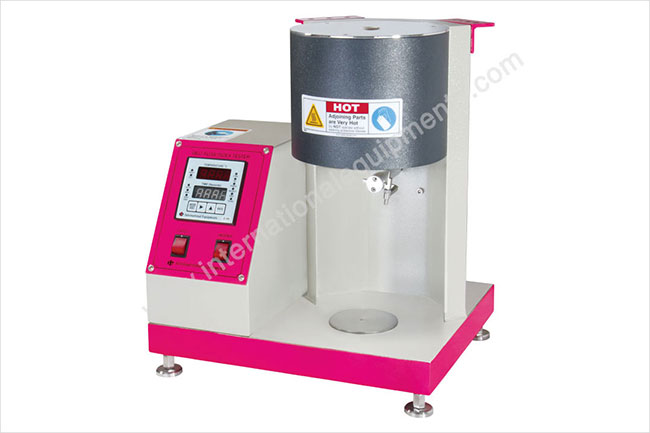
Melt Flow Index Tester
Universal Testing Machine (UTM)
Single Screw Tensile Testing Machine
Izod / Charpy Impact Tester
Motorized Notch Cutter
Micro-meter Jig for Notch Measurement
Computerised VSP / HDT Apparatus
Oxidation Induction Tester (OIT)
E.S.C.R. Apparatus
Muffle Furnace
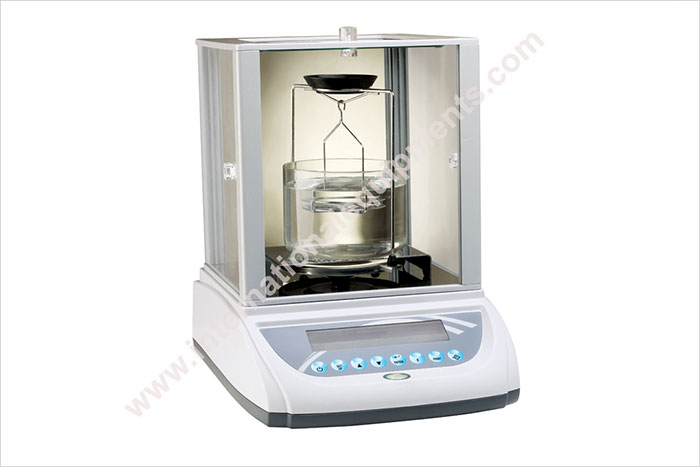
Digital Density Apparatus
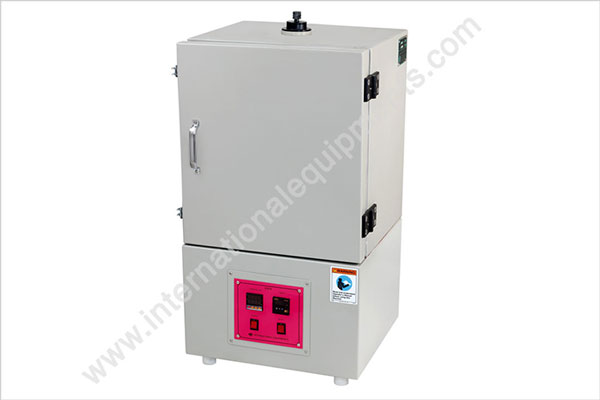
Hot Air Oven
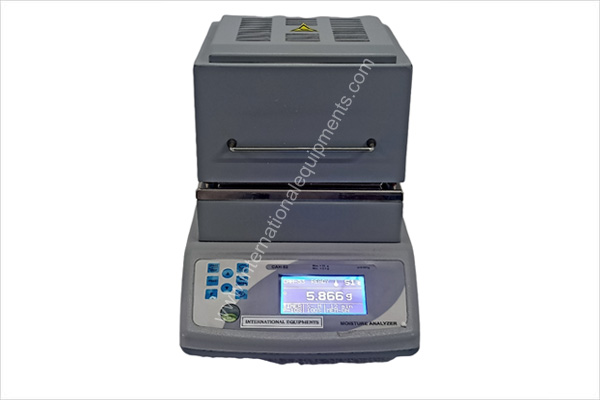
Moisture Analyser
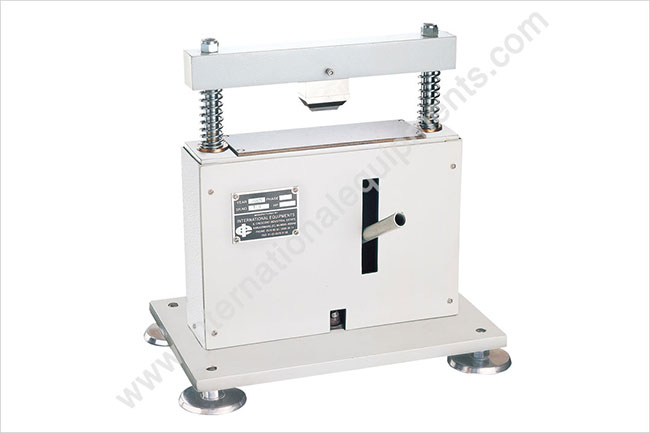
Hydraulic Press (Sample Cutting Press)
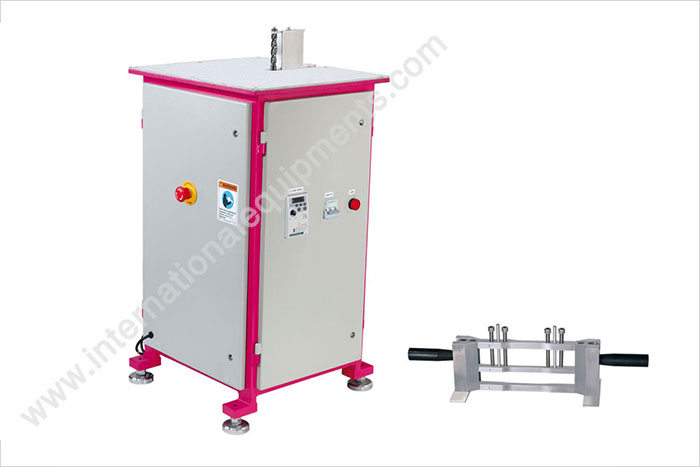
Contour Cutter with Templates
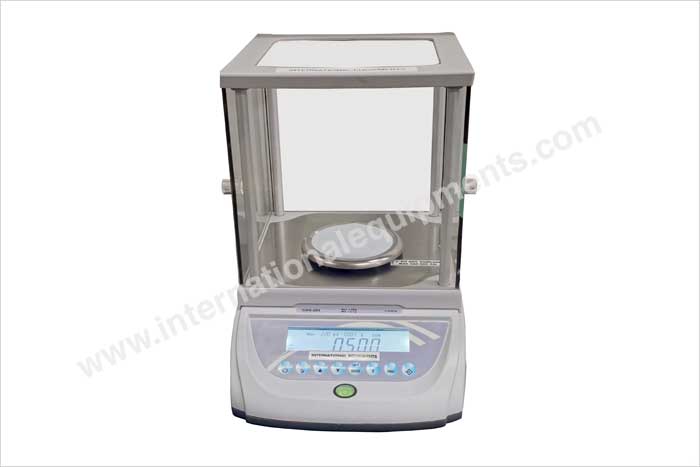
Digital GSM Weighing Balance
Plastic Testing Equipments
Material Testing Equipments
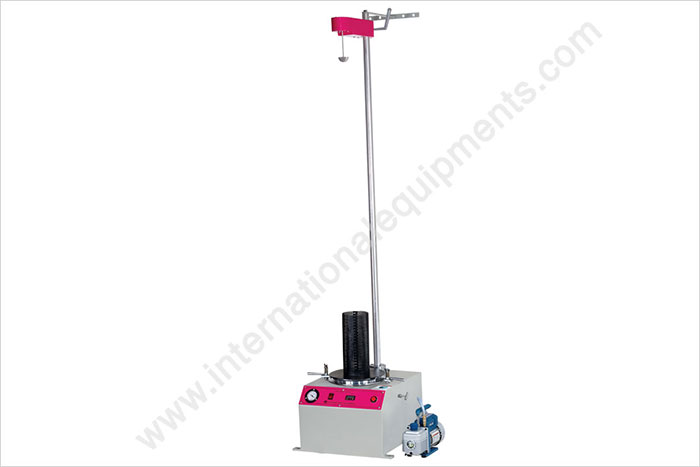
Film Testing Equipments
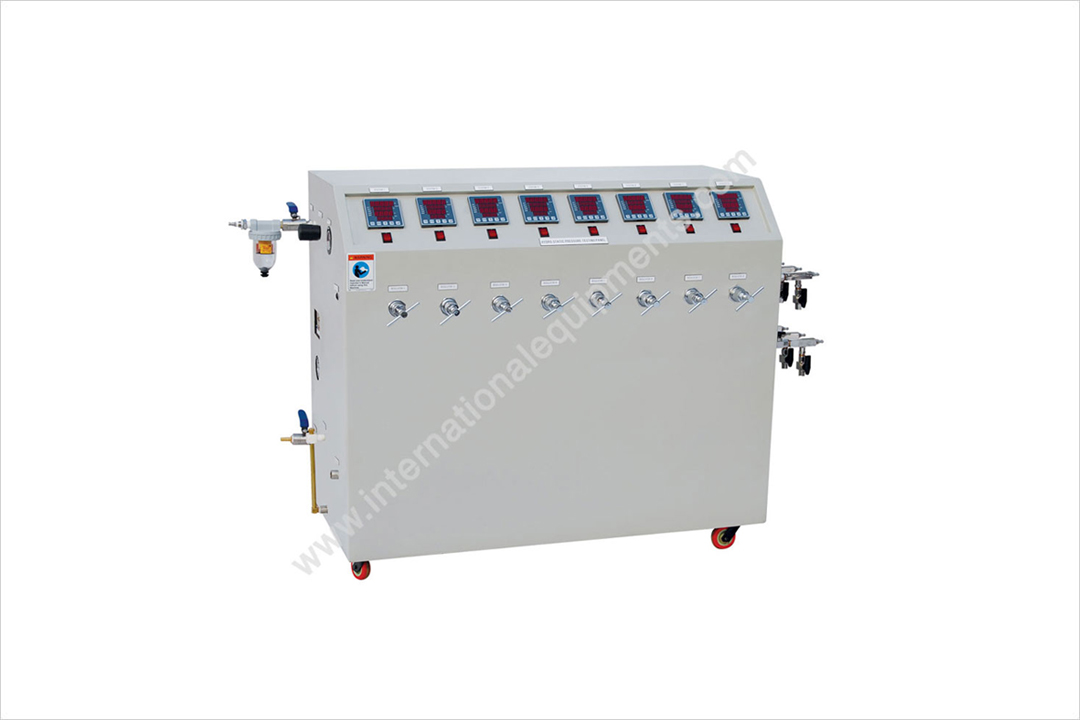
Pipe Testing Equipments
Rubber Testing Equipments
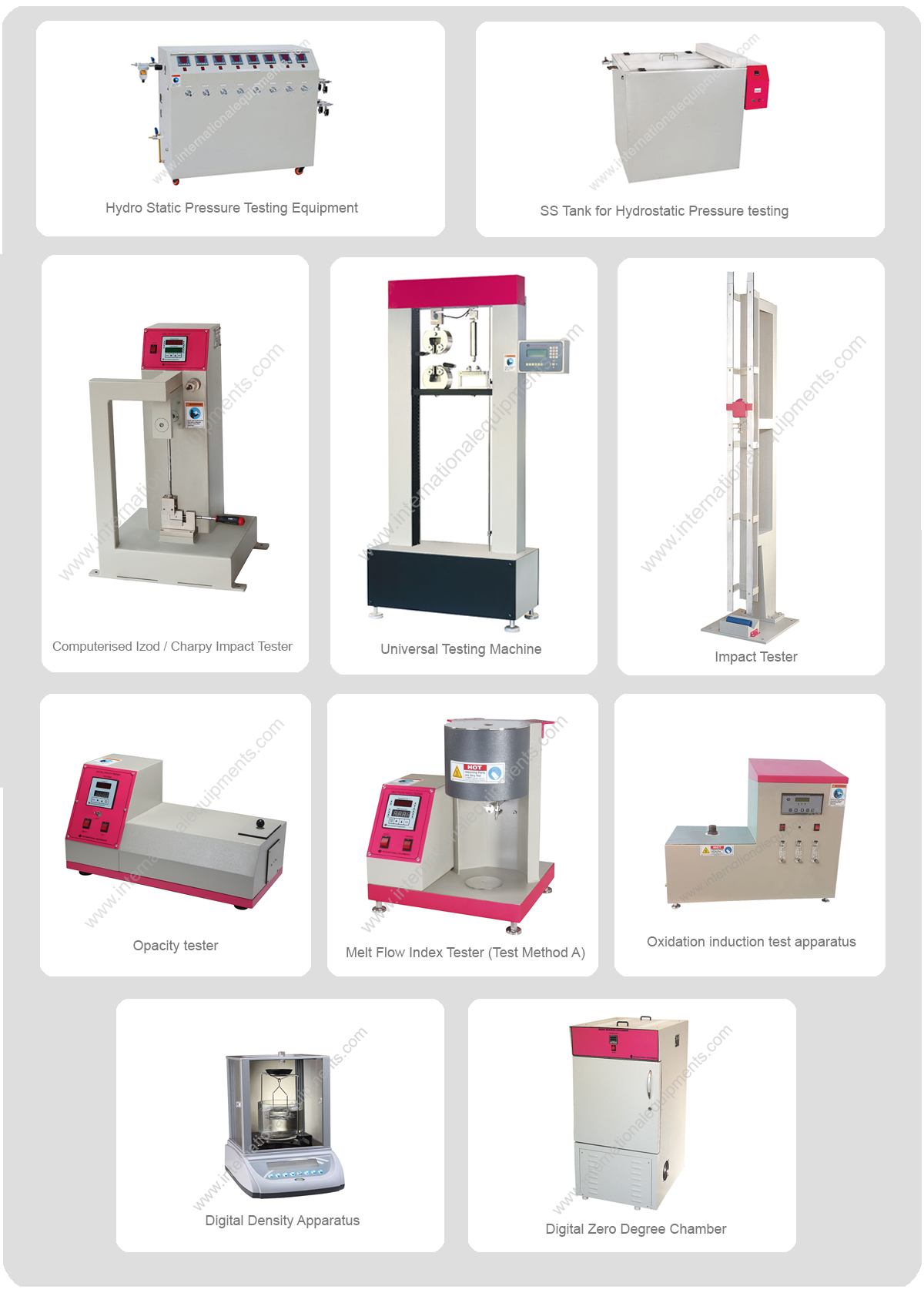
Testing Equipment for Plastic Pipe Manufacturers
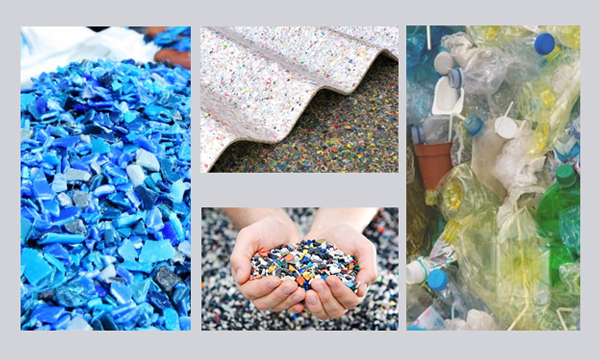
Testing Equipment for Recycled Plastics
Testing Equipment for HDPE PLB Duct Manufacturers
Melt Flow Index Tester
Universal Testing Machine (UTM)
Single Screw Tensile Testing Machine
Izod / Charpy Impact Tester
Motorized Notch Cutter
Micro-meter Jig for Notch Measurement
Computerised VSP / HDT Apparatus
Oxidation Induction Tester (OIT)
E.S.C.R. Apparatus
Muffle Furnace
Digital Density Apparatus
Hot Air Oven
Moisture Analyser
Hydraulic Press (Sample Cutting Press)
Contour Cutter with Templates
Digital GSM Weighing Balance
Plastic Testing Equipments
Material Testing Equipments
Film Testing Equipments
Pipe Testing Equipments
Rubber Testing Equipments
Testing Equipment for Plastic Pipe Manufacturers
Testing Equipment for Recycled Plastics
Testing Equipment for HDPE PLB Duct Manufacturers
Contact International Equipments today for a personalised quotation, demo video, or factory visit. Our team is ready to help you choose the right MFI tester model for your laboratory.
Get Free Quote