Request
Quote

International Equipments is one of India's leading manufacturers, suppliers and exporters of laboratory Material Testing Equipments — covering the complete range of instruments needed to measure the mechanical, thermal, physical and chemical properties of engineering materials. Built at our Mumbai facility since 1971 and exported to over 50 countries, our material testing instruments are installed in the QC laboratories of plastics processors, polymer compounders, rubber manufacturers, pipe and film producers, packaging converters, automotive component makers, educational institutions and government testing laboratories across India and worldwide.
Material testing is the broadest of all our testing-equipment categories — it covers the fundamental property measurements that apply across every material family: tensile strength and elongation (how the material behaves under pulling load), impact toughness (how it survives sudden shock), thermal behaviour (softening point, heat deflection, oxidation resistance), and compositional analysis (ash content, filler loading, density). A well-equipped material testing laboratory forms the foundation of any manufacturer's quality control — verifying incoming raw materials, controlling production batches, qualifying new grades and investigating failures. We supply the complete material-testing instrument range from a single facility.
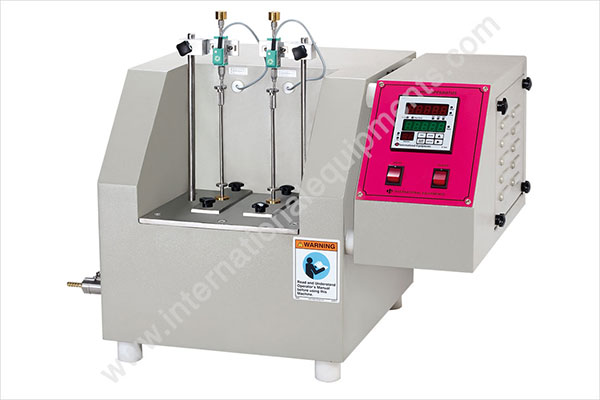 Computerized VSP / HDT apparatusRead More
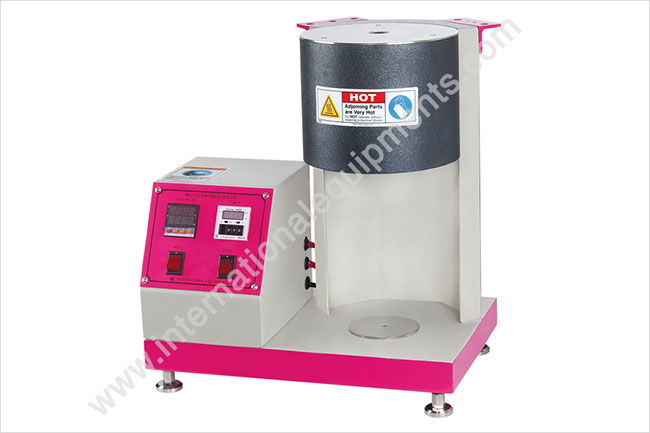
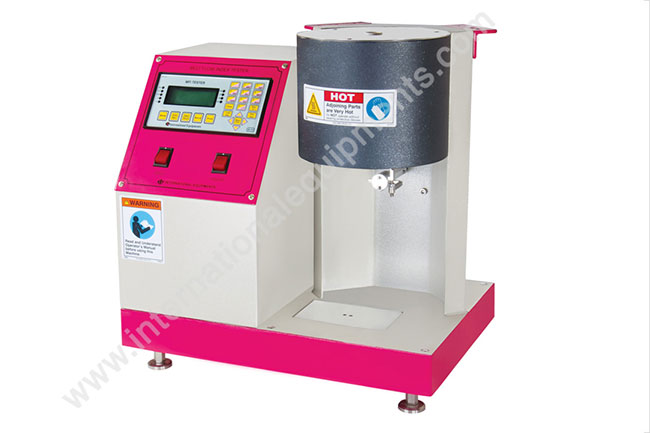 Computerized Melt flow index tester as per ASTM D 1238 &
ISO 1133b - (Test Method A)Read More
 Motorized Notch CutterRead More
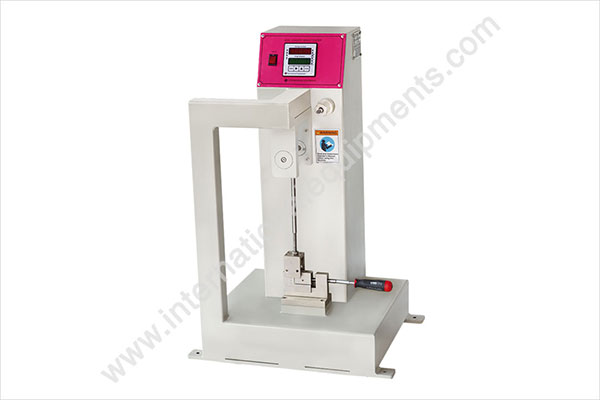
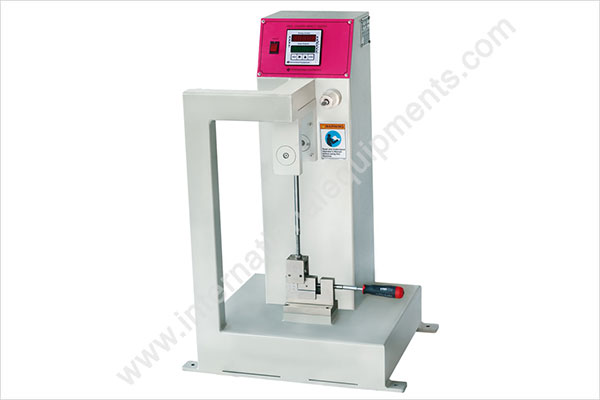 Computerised Izod / Charpy Impact TesterRead More
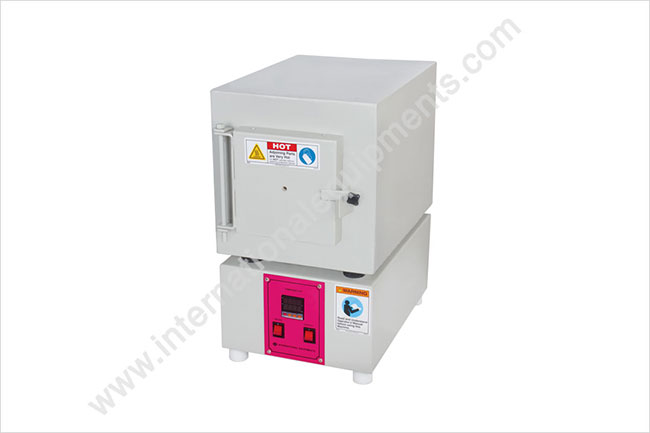 Muffle FurnaceRead More
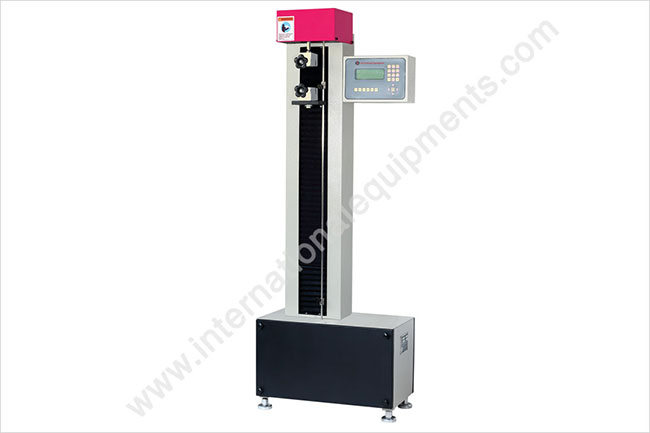 Single Screw Tensile Testing MachineRead More
Material testing is the systematic laboratory measurement of a material's response to applied forces, temperatures and chemical environments — to verify that the material meets the engineering specification it was designed and procured against. The discipline covers four broad property families: mechanical properties (tensile, compression, flexural, impact, hardness), thermal properties (softening point, heat deflection temperature, oxidation resistance, ash content), physical properties (density, moisture content, dimensional stability) and rheological properties (melt flow behaviour). Together these measurements characterise whether a material will perform reliably in its intended application.
While the term 'material testing' applies across metals, ceramics, composites and polymers, International Equipments specialises in the testing of plastics, polymers, rubber and related materials — the materials used in pipes, films, packaging, automotive components, consumer products and engineering applications. Our material testing instruments are designed and calibrated specifically for the load ranges, temperature ranges and sample geometries relevant to polymer and rubber materials, while also serving general-purpose mechanical testing needs in educational and research laboratories.
Material testing is the foundation of every manufacturer's quality control. Six reasons every production facility needs in-house material testing capability:
Incoming Raw Material Verification
Every batch of incoming polymer, rubber compound or master-batch must be verified before it enters production. The Melt Flow Index Tester, Density Apparatus and Moisture Analyser are the gatekeepers — catching off-spec raw materials before they cause production losses and quality failures downstream.
Production Batch Control
Material properties drift over a production run due to process variation, temperature fluctuation, feedstock changes and equipment wear. Routine material testing of production samples catches this drift early — before a whole batch of off-spec product is made and shipped.
Certification & Regulatory Compliance
BIS / ISI mark, ASTM, ISO and customer-specification certification all require documented material test results. Material testing capability is mandatory for any manufacturer producing certified products for the Indian or export market.
New Grade & New Product Qualification
Every new polymer grade, new compound, new product design or new supplier must be qualified through comprehensive material property testing before commercial release. An in-house material testing lab makes this R&D fast and economical.
Failure Analysis & Customer Complaint Investigation
When a product fails in the field or a customer raises a complaint, fast root-cause analysis requires immediate access to material testing instruments. In-house capability lets the QC team investigate and respond within hours rather than waiting days or weeks for external lab results.
Cost Optimisation
Material testing identifies the minimum material specification that still meets performance requirements — eliminating costly over-specification (excess filler, excess wall thickness, excess additive loading) while maintaining quality. The investment in a testing laboratory pays for itself through material savings.
The material testing laboratory measures four broad property families. Each requires specific instruments — most material QC labs need at least one instrument from each family:
Mechanical Properties — Tensile, Compression, Flexural, Impact
Tensile strength, elongation at break, modulus of elasticity, yield strength, compression strength, flexural strength — measured on the Universal Testing Machine or Single-Screw Tensile Testing Machine. Impact toughness — measured on the Izod / Charpy Impact Tester (notched specimens). These are the most fundamental material property measurements.
Thermal Properties — VSP, HDT, OIT, Ash Content
Vicat Softening Point and Heat Deflection Temperature (on the VSP/HDT Apparatus) — define the maximum service temperature of a thermoplastic. Oxidation Induction Time (on the OIT Apparatus) — measures antioxidant content and long-term thermal stability. Ash content (on the Muffle Furnace) — measures inorganic filler loading.
Physical Properties — Density, Moisture, Dimensional Stability
Density (on the Digital Density Apparatus, by water immersion) — verifies material composition. Moisture content (on the Moisture Analyser) — critical for hygroscopic polymers before processing. Dimensional stability and shrinkage (in the Hot Air Oven).
Rheological Properties — Melt Flow Behaviour
Melt Flow Index / Melt Flow Rate (on the Melt Flow Index Tester) — characterises the flow behaviour of a molten thermoplastic, the single most-used QC measurement in polymer processing. Directly correlates with molecular weight and processability.
Material testing instruments fall into five broad categories. A complete material testing laboratory typically needs instruments spanning all five:
Universal & Tensile Testing
The Universal Testing Machine (UTM) is the cornerstone material testing instrument — measuring tensile, compression, flexural, peel and many other mechanical properties on a single machine. For laboratories focused primarily on tensile testing, the economical Single-Screw Tensile Testing Machine is an alternative. Both require the Hydraulic Press for specimen preparation.
Impact Testing
The Izod / Charpy Impact Tester measures the impact toughness of notched specimens — a key material-property measurement for engineering plastics and polymer grade qualification. The Motorized Notch Cutter and Micro-meter Jig prepare and verify the standard notch. Additional impact instruments (Dart Impact for film, Impact Tester for pipes) serve specific product categories.
Thermal Property Testing
The VSP / HDT Apparatus measures Vicat Softening Point and Heat Deflection Temperature. The OIT Apparatus measures oxidation induction time. The Muffle Furnace measures ash content at high temperature. The Hot Air Oven provides controlled-temperature conditioning, ageing and shrinkage testing.
Rheological & Physical Testing
The Melt Flow Index Tester characterises molten-polymer flow. The Digital Density Apparatus measures density. The Moisture Analyser measures moisture content. The Digital GSM Balance measures area weight of films and sheets.
Sample Preparation
Reliable material testing starts with correctly-prepared specimens. The Hydraulic Press (with ASTM/ISO cutting dies) and the Contour Cutter produce dimensionally-accurate test specimens; the Motorized Notch Cutter adds the standard notch for impact specimens.
The cornerstone material testing instrument — twin-column computerised UTM with PC software handles all major mechanical property tests on a single machine. Servo and Vector electromechanical drive options for different load capacities. Configurable with grips and fixtures for any material type.
What it tests: Tensile, compression, flexural, peel and many other mechanical properties per ASTM D 638, D 695, D 790, ISO 527 and IS 13360.
Economical single-screw tensile tester — ideal for laboratories focused on routine tensile testing where the UTM's full multi-test capability is not needed. Configurable load range and high-elongation capability for films and elastomers.
What it tests: Tensile strength and elongation of films, sheets, dumbbells, rubber and similar materials per ASTM D 638, D 882, ISO 527, D 412.
Pendulum impact tester with computerised readout — measures the material toughness of notched bar specimens. Essential for engineering plastics, polymer grade qualification and material development. Multiple pendulum capacities available.
What it tests: Notched impact strength (Izod and Charpy methods) per ASTM D 256, D 6110 and ISO 180.
Motorised cutter that produces the ASTM/ISO-compliant notch on Izod/Charpy specimens before impact testing — far more accurate and repeatable than hand-cutting. Essential companion to the Izod/Charpy Impact Tester.
What it tests: Precision notch cutting of Izod and Charpy specimens per ASTM D 256 and ISO 180 (Type A 45° notch).
Quality-verification jig that confirms the notch dimensions meet the standard before impact testing. Ensures notch depth and tip radius are within tolerance — essential for valid, reproducible impact results.
What it tests: Verification of notch depth and tip radius on Izod/Charpy specimens per ASTM D 256 / ISO 180.
Combined instrument for the two most important thermal-property tests — defines the maximum service temperature of a thermoplastic material. Computerised readout with multi-station capability. Critical for grade qualification and heat-resistance verification.
What it tests: Vicat Softening Point per ASTM D 1525 / ISO 306 and Heat Deflection Temperature per ASTM D 648 / ISO 75.
Fully computerised MFI variant for high-accuracy work — the single most-used material QC test in polymer processing. Also available in Manual and Auto-cut variants on the main MFI Tester product page.
What it tests: Melt flow rate (MFR) and melt volume rate (MVR) of thermoplastics per ASTM D 1238 (Test Method A) and ISO 1133.
The complete MFI Tester product family — the gatekeeper test between incoming polymer batches and processing. Manual variant for economy, Auto-cut for higher throughput, Computerised for maximum accuracy.
What it tests: Melt flow rate of polymer granules per ASTM D 1238 and ISO 1133 — Manual, Auto-cut and Computerised variants.
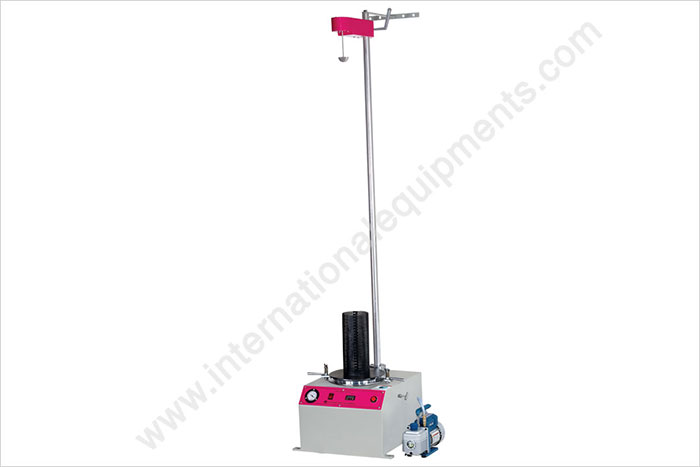
Measures the antioxidant content of HDPE, PP and other polyolefins — verifies long-term thermal stability and service life. Essential QC for HDPE pipe, gas pipe and PLB duct materials.
What it tests: Oxidation Induction Time of polyolefins per ASTM D 3895 and ISO 11357-6.
High-temperature furnace for ash content determination — burns away the polymer/organic matrix, leaving only the inorganic filler residue. Foundation for filler-loading verification and material composition QC across plastics and rubber.
What it tests: Ash content of plastics, rubber and other materials per ASTM D 5630, ISO 3451-1 and ASTM D 297 (ambient to 1150°C).
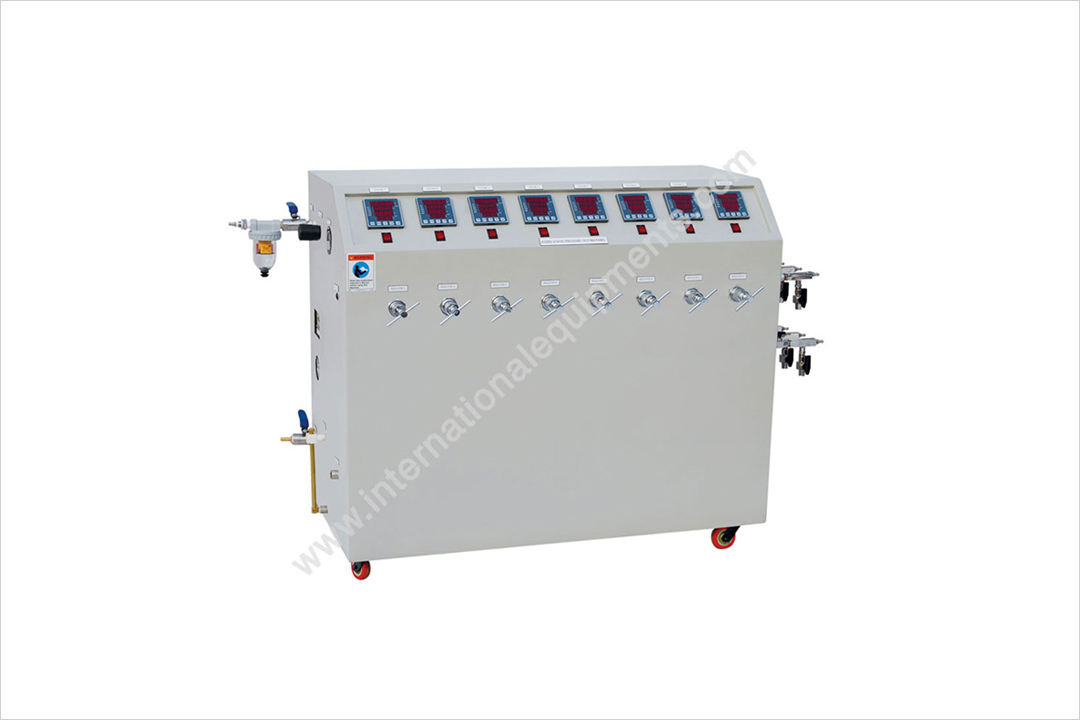
Determines the polymer's resistance to crack initiation under sustained stress in surfactant exposure — critical material property for HDPE water pipes, detergent bottles and PLB duct applications.
What it tests: Environmental Stress Cracking Resistance of HDPE per ASTM D 1693.
Digital balance with built-in density-determination kit — gives direct density readout via the water-displacement (Archimedes) method. Routine incoming-material and batch QC for polymer compounders and processors.
What it tests: Density and specific gravity of plastics, rubber and other materials per ASTM D 792 and ISO 1183.
Precision direct-readout GSM balance — fundamental gauge / area-weight consistency check for film, sheet and paper materials. Tests samples cut to a standard area and displays GSM directly.
What it tests: Grams per square metre (area weight) of film, sheet, paper, foil and laminate samples.
Precision laboratory oven — used for sample conditioning before mechanical testing, accelerated heat-ageing studies, drying of polymer granules and dimensional shrinkage testing. A general-purpose workhorse in every material lab.
What it tests: Material conditioning, accelerated ageing, drying and shrinkage testing per ASTM D 573, D 2732 (ambient to 250°C).
5-tonne bench-top sample cutting press — the foundation specimen-preparation instrument for any material lab. Cuts ASTM/ISO standard test specimens for the downstream tensile, impact and other mechanical tests. Dies supplied separately.
What it tests: Cuts standard dumbbell, strip, disc and bar test specimens from sheet and film up to 4 mm thick.
Companion to the Hydraulic Press for thin films and custom specimen shapes. Many material labs have both for complete specimen-preparation coverage.
What it tests: Powered cutting of thin film and complex specimen shapes that the Hydraulic Press cannot easily handle.
Halogen-lamp moisture analyser — gives fast moisture readout for incoming granules before extrusion or moulding. Critical for hygroscopic materials (PET, PA, ABS, PC) where excess moisture causes processing defects.
What it tests: Moisture content of polymer granules and other materials before processing.
Specialised UTM configuration for adhesion and bond-strength testing — handles tile adhesive bond strength, ceramic and mosaic testing, and general adhesive-bonded-assembly mechanical testing.
What it tests: Bond strength, tensile and shear testing of adhesives, ceramic tiles, mosaics and bonded assemblies.
ASTM D 638 — Tensile Properties of Plastics
ASTM D 882 — Tensile Properties of Thin Plastic Sheeting
ASTM D 695 — Compressive Properties of Rigid Plastics
ASTM D 790 — Flexural Properties of Plastics
ASTM D 412 — Tensile Properties of Rubber and Elastomers
ASTM D 256 — Izod Pendulum Impact Resistance
ASTM D 6110 — Charpy Impact Resistance
ASTM D 1525 — Vicat Softening Temperature
ASTM D 648 — Heat Deflection Temperature
ASTM D 1238 — Melt Flow Rates of Thermoplastics
ASTM D 3895 — Oxidation Induction Time (OIT)
ASTM D 792 — Density and Specific Gravity by Displacement
ASTM D 1693 — Environmental Stress Cracking Resistance
ASTM D 5630 — Ash Content in Plastics
ASTM D 297 — Rubber Products — Chemical Analysis (ash, carbon black)
ASTM D 573 — Rubber Deterioration in an Air Oven (heat ageing)
ASTM D 2732 — Unrestrained Linear Thermal Shrinkage of Plastic Film
ISO 527 — Plastics: Tensile Properties
ISO 180 — Izod Impact Strength
ISO 75 — Heat Deflection Temperature
ISO 306 — Vicat Softening Temperature
ISO 1133 — Melt Mass-Flow Rate
ISO 1183 — Density of Plastics
ISO 3451-1 — Plastics: Ash Determination
IS 13360 — Methods of Test for Plastics
IS 3400 — Methods of Test for Rubber
Different materials require different combinations of tests. The matrix below shows which material testing instruments are typically applied to each material category:
Engineering Plastics (ABS, PC, PA, POM)
UTM Tensile + Flexural, Izod/Charpy Impact + Notch Cutter, VSP/HDT, MFI, Density, Moisture Analyser (for hygroscopic grades)
Commodity Plastics (PE, PP, PVC, PS)
Tensile, Izod/Charpy Impact, MFI, Density, VSP/HDT, Ash Content (Muffle Furnace)
Polymer Granules / Resin (Incoming QC)
MFI, Density, Moisture Analyser, OIT, Ash Content
Rubber & Elastomer Compounds
Tensile (D 412), Heat Ageing (Hot Air Oven), Ash Content, Density, Hardness (sourced separately)
Plastic Pipe Materials (HDPE, PVC, CPVC)
Tensile, Impact, VSP/HDT, OIT, ESCR, Density, MFI, Ash Content
Plastic Film & Flexible Packaging
Tensile (D 882), Dart Impact, GSM, MFI, Hot Air Oven (shrinkage)
Recycled Polymer Compounds
MFI, Density, Tensile, Impact, Ash Content, Moisture (full re-qualification)
Adhesives & Bonded Assemblies
Bond Strength (Adhesives UTM), Tensile, Peel
Educational / R&D General Material Testing
UTM (all mechanical), Izod/Charpy Impact, VSP/HDT, MFI, Density, Muffle Furnace, Hot Air Oven
Plastic Processors & Injection/Blow Moulders
Polymer Producers, Compounders & Master-batch Manufacturers
Engineering Plastic Component Manufacturers (ABS, PC, PA, POM)
HDPE / PVC / CPVC / PPR Pipe Manufacturers
Plastic Film & Flexible Packaging Manufacturers
Rubber, TPE & Elastomer Manufacturers
Automotive Component Manufacturers (plastic & rubber parts)
Recycled Plastic Processors
Adhesive & Bonded-Assembly Manufacturers
Petrochemical & Resin Producers
Government Testing Labs, NABL Accredited Labs & BIS-Approved Test Houses
Engineering Colleges, Polytechnics, ITI Institutes & University Material Science Departments
R&D Centres of Plastic, Polymer, Rubber and Automotive Companies
Defence, Aerospace & Research Laboratories (polymer material testing)
Complete Material Testing Range Under One Roof
UTM + Tensile Tester + Izod/Charpy Impact + Notch Cutter + Notch Jig + VSP/HDT + MFI + OIT + Muffle Furnace + ESCR + Density + GSM + Hot Air Oven + Hydraulic Press + Contour Cutter + Moisture Analyser + Adhesives UTM — 18 instruments, all designed and built at our Mumbai facility. One supplier for the complete material testing laboratory.
Manufacturing Since 1971, Exported to 50+ Countries
Over five decades of material testing instrumentation experience — our equipment is installed in laboratories across India and 50+ export countries, built on decades of customer feedback across the plastics, polymer, rubber, pipe and packaging industries.
Full Coverage of ASTM, ISO, BIS Standards
Every instrument complies with the relevant ASTM (USA), ISO (international) and BIS / IS (India) material test standards — covers domestic, USA-export and European-export material specifications from a single supplier.
Cornerstone UTM with Configurable Fixtures
Our Universal Testing Machine is the cornerstone of any material lab — configurable with grips and fixtures for tensile, compression, flexural, peel, ring stiffness, bond strength and many other tests across all material types. One machine covers most mechanical-property needs.
Complete Specimen-Preparation Capability
Hydraulic Press + cutting dies, Contour Cutter + templates, and Motorized Notch Cutter + Micro-meter Jig — the complete specimen-preparation chain. Reliable test results start with correctly-prepared specimens.
Complete Laboratory Package Pricing
Buy your entire material testing laboratory from us — package quotations cover the instrument suite needed for your specific materials, with single commissioning visit, single training programme. Significantly more attractive than instrument-by-instrument pricing.
ISO Certified, CE Marked Manufacturing
Designed and built at our Mumbai facility under ISO certified quality systems, with CE marking for export to the Middle East, Africa, South-East Asia, Europe and South America.
Free Installation, Training & Calibration
Free on-site commissioning of the complete laboratory, operator training on each test method and each instrument's software, and factory calibration certificates anywhere in India. A single commissioning team installs all instruments together.
For a starter material testing lab the typical 'minimum viable' suite is: (1) Universal Testing Machine or Single-Screw Tensile Testing Machine — for tensile and mechanical properties; (2) Melt Flow Index Tester — for incoming polymer QC; (3) Izod / Charpy Impact Tester + Motorized Notch Cutter — for impact toughness; (4) Digital Density Apparatus — for density verification; (5) Hot Air Oven — for sample conditioning; (6) Hydraulic Press + dies — for specimen preparation. These cover the fundamental material QC capability for most plastics and polymers. Beyond these foundations, the extension depends on material type: engineering plastics add VSP/HDT; pipe materials add OIT + ESCR; rubber adds heat ageing; films add Dart Impact + GSM.
A Universal Testing Machine (UTM) is a multi-purpose machine that performs MANY mechanical tests — tensile, compression, flexural, peel, bond strength, ring stiffness — by changing the grips/fixtures and the direction of travel. A Tensile Testing Machine is a simpler, more economical machine optimised primarily for tensile (pulling) tests. If your lab needs only tensile testing, the Single-Screw Tensile Testing Machine is the cost-effective choice; if you need compression, flexural and other tests too, the UTM is the better investment. Many labs start with the Tensile Tester and upgrade to a UTM as their testing scope grows.
There is significant equipment overlap — many instruments (UTM, Tensile Tester, MFI, Izod/Charpy, VSP/HDT, Muffle Furnace, Density) serve material, plastic and polymer testing alike. The category pages are organised by SEO-targeted terminology. 'Material Testing' is the broadest engineering category, favoured by general QC labs, educational institutions and multi-material manufacturers. 'Plastic Testing' and 'Polymer Testing' are favoured by plastics-specific and R&D-specific buyers respectively. Use whichever category page best matches your terminology — the underlying instruments largely overlap.
Yes. We provide free online installation, commissioning, and operator training. On-site installation and training can also be arranged on a chargeable basis depending on location and requirements.
Yes — many engineering colleges, polytechnics, ITI institutes and university material science departments use our instruments for teaching and research. The UTM, Izod/Charpy Impact Tester, MFI Tester, VSP/HDT Apparatus and Muffle Furnace are the most commonly requested instruments for material science and polymer engineering curricula. We offer educational-institution package pricing and provide thorough operator training suitable for student use. Please mention 'educational use' in your enquiry for tailored guidance.
Our UTM and Tensile Testing Machine can perform tensile testing on metal wire, thin metal strip and similar low-to-medium-load metal samples within their load capacity, and our Izod/Charpy Impact Tester can test metal specimens within its pendulum energy range. However, our instruments are optimised primarily for plastics, polymers and rubber — high-capacity metal testing (structural steel, high-strength alloys) requires much higher-capacity machines than our standard polymer-focused range. For predominantly-metal testing, please discuss your specific load and energy requirements in the enquiry so we can confirm suitability or recommend an appropriate configuration.
Yes. We provide free online installation, commissioning, and operator training. On-site installation and training can also be arranged on a chargeable basis depending on location and requirements.
Engineering plastic component QC typically requires: (1) Universal Testing Machine — for tensile and flexural properties; (2) Izod / Charpy Impact Tester + Motorized Notch Cutter — for impact toughness (critical for engineering plastics); (3) VSP / HDT Apparatus — for heat resistance / maximum service temperature; (4) Melt Flow Index Tester — for incoming resin QC; (5) Digital Density Apparatus — for density verification; (6) Moisture Analyser — essential for hygroscopic resins like PA (nylon), PC and ABS which must be dried before moulding. We supply all of these as a package — please mention your specific engineering plastic grades in the enquiry.
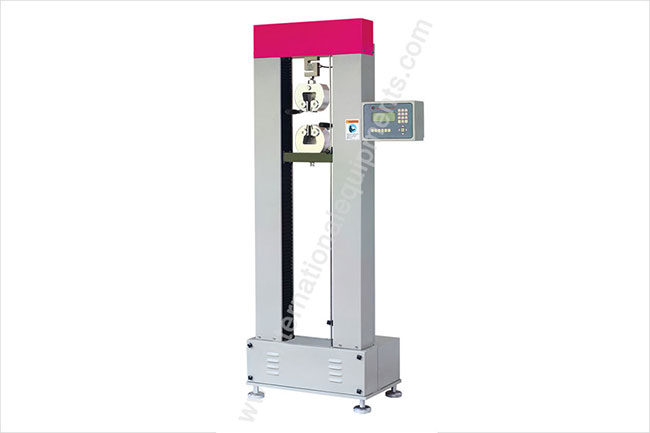
Universal Testing Machine (UTM)
Single Screw Tensile Testing Machine
Izod / Charpy Impact Tester
Motorized Notch Cutter
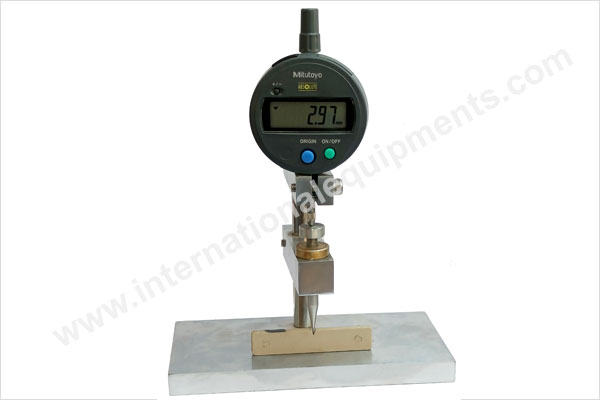
Micro-meter Jig for Notch Measurement
Computerised VSP / HDT Apparatus
Computerized Melt Flow Index Tester
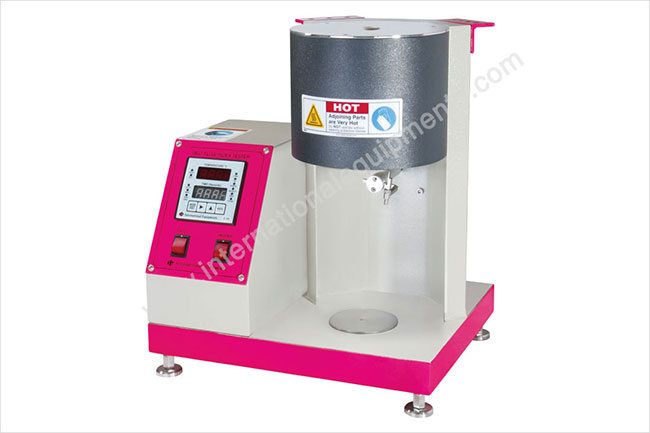
Melt Flow Index Tester (Main Range)
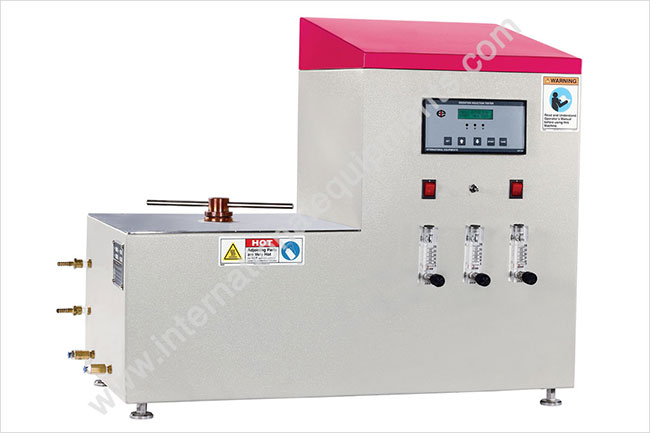
Oxidation Induction Tester (OIT)
Muffle Furnace
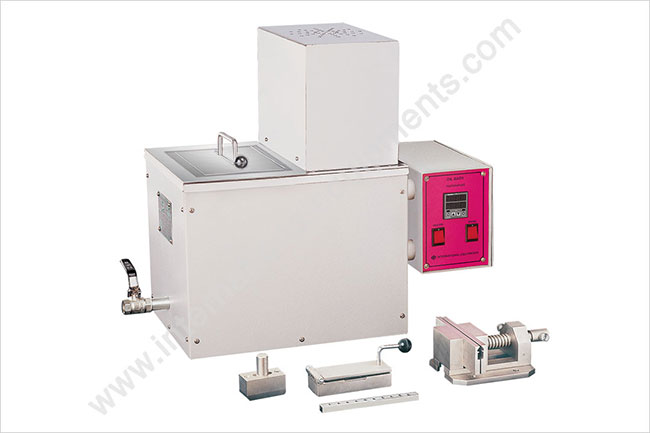
E.S.C.R. Apparatus
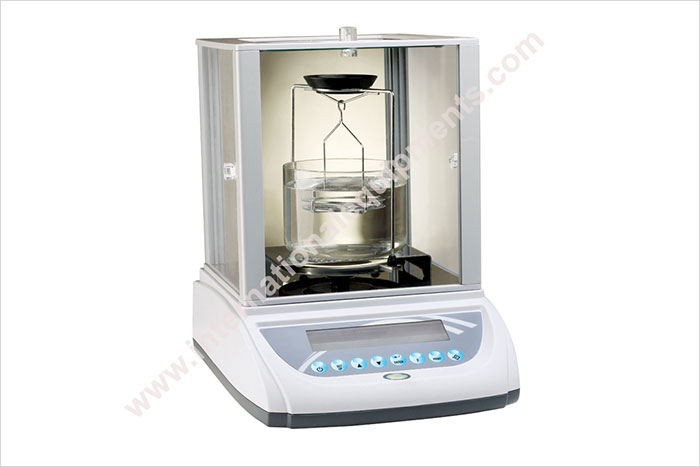
Digital Density Apparatus
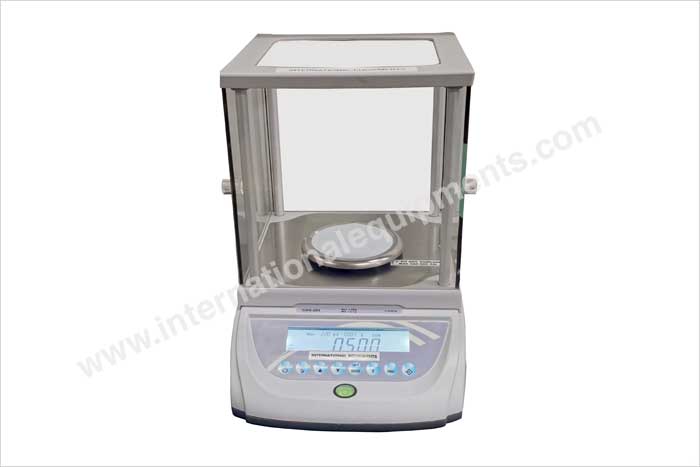
Digital GSM Weighing Balance
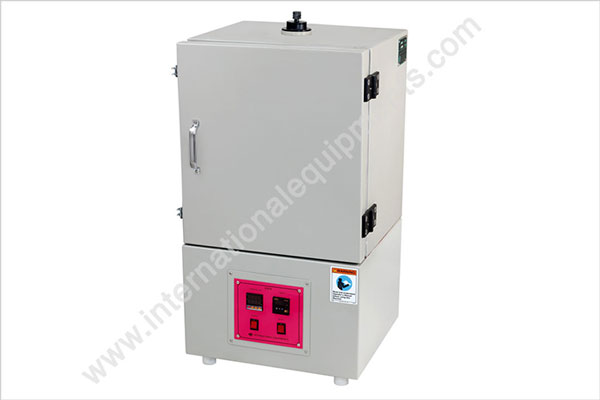
Hot Air Oven
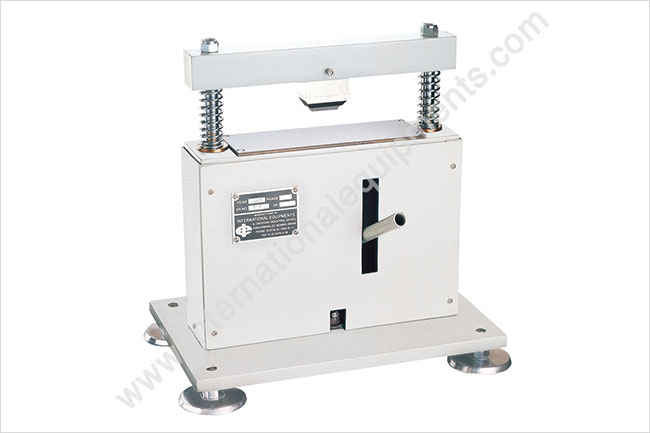
Hydraulic Press (Sample Cutting Press)
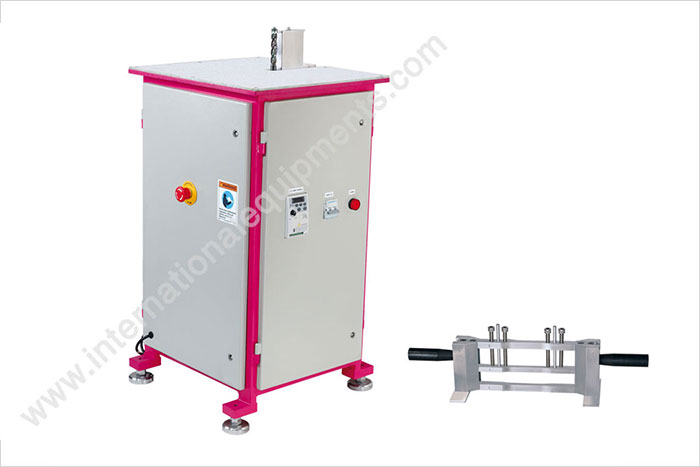
Contour Cutter with Templates
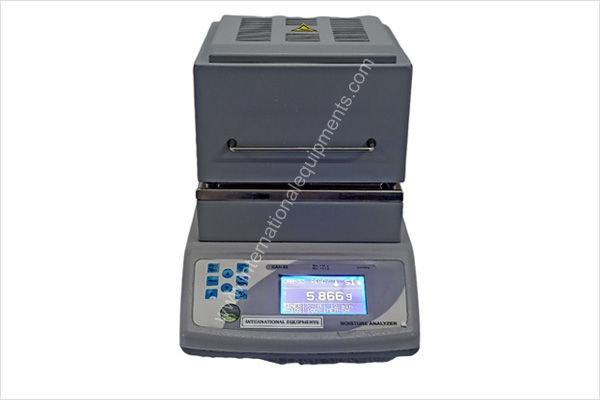
Moisture Analyser
Plastic Testing Equipments

Polymers Testing Equipments
Film Testing Equipments
Pipe Testing Equipments
Rubber Testing Equipments

Testing Equipment for Plastic Pipe Manufacturers
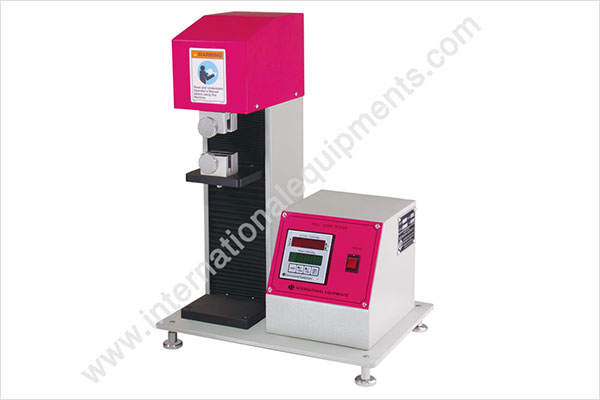
Testing Equipment for Packaging Industry

Testing Equipment for Recycled Plastics
Universal Testing Machine (UTM)
Single Screw Tensile Testing Machine
Izod / Charpy Impact Tester
Motorized Notch Cutter
Micro-meter Jig for Notch Measurement
Computerised VSP / HDT Apparatus
Computerized Melt Flow Index Tester
Melt Flow Index Tester (Main Range)
Oxidation Induction Tester (OIT)
Muffle Furnace
E.S.C.R. Apparatus
Digital Density Apparatus
Digital GSM Weighing Balance

Hot Air Oven
Hydraulic Press (Sample Cutting Press)
Contour Cutter with Templates
Moisture Analyser

Universal Testing Machine for Adhesives, Ceramic Tiles & Mosaics
Plastic Testing Equipments
Polymers Testing Equipments
Film Testing Equipments
Pipe Testing Equipments
Rubber Testing Equipments
Testing Equipment for Plastic Pipe Manufacturers
Testing Equipment for Packaging Industry
Testing Equipment for Recycled Plastics
Contact International Equipments today for a personalised quotation, demo video, or factory visit. Our team is ready to help you choose the right MFI tester model for your laboratory.
Get Free Quote