Request
Quote

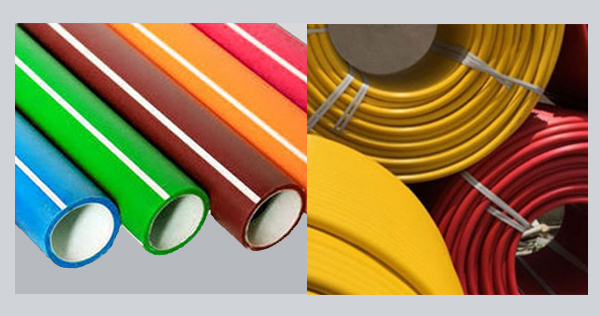
International Equipments is one of India's leading suppliers of complete laboratory testing equipment packages for HDPE PLB (Pre-Lubricated) Duct manufacturers. Our equipment is installed across the major HDPE PLB duct production plants supplying telecom infrastructure projects across India and globally — providing the complete instrument suite needed to meet the stringent quality requirements specified by the Department of Telecommunication (DOT) under IS 4984-2016 and IS 14930.
HDPE PLB telecom duct is the protective HDPE conduit, laid approximately one metre below ground level, through which Optical Fibre Cable (OFC) is pneumatically blown using high-velocity cable-blowing equipment. The duct's internal surface is pre-lubricated with a smooth silicon coating that protects the delicate optical fibres from abrasion during the high-speed insertion. The duct then acts as a long-term protective casing — shielding the OFC from environmental damage, rodents, accidental excavation strikes and underground moisture for decades of service life. Quality testing under DOT-recommended methods is mandatory for every batch of PLB duct supplied to telecom infrastructure projects — and a complete in-house testing laboratory is essential for any manufacturer competing in this market.
The Department of Telecommunication introduced a requirement of HDPE - pre lubricated pipe to be laid around 1 meter below the ground level for passing OFC cable through it thus protecting its sensitive fibres. Internal layer of OFC was described to be pre-lubricated using Silicon layer, this silicon coating would protect the OFC from abrasion at the time it is inserted inside duct at a very high speed. Cable Blowing technology to insert this cable in to duct was nationwide used.
At "International Equipments" we also designed, developed such Cable blowing machine taking a successful trial at Oriplast limited, Balasore completing this blowing of 1 kilometre OFC in to duct within stipulated time as per the DOT norms. Pre-lubricated internal layer being smooth protects OFC from abrasion during insertion in HDPE pipe, similarly HDFC pipe acts as a casing for OFC thus protecting it for several years ahead.
Department of Telecom recommended few stringent tests on the HDPE in accordance with IS 4984-2016 and few of them offered by IE are :
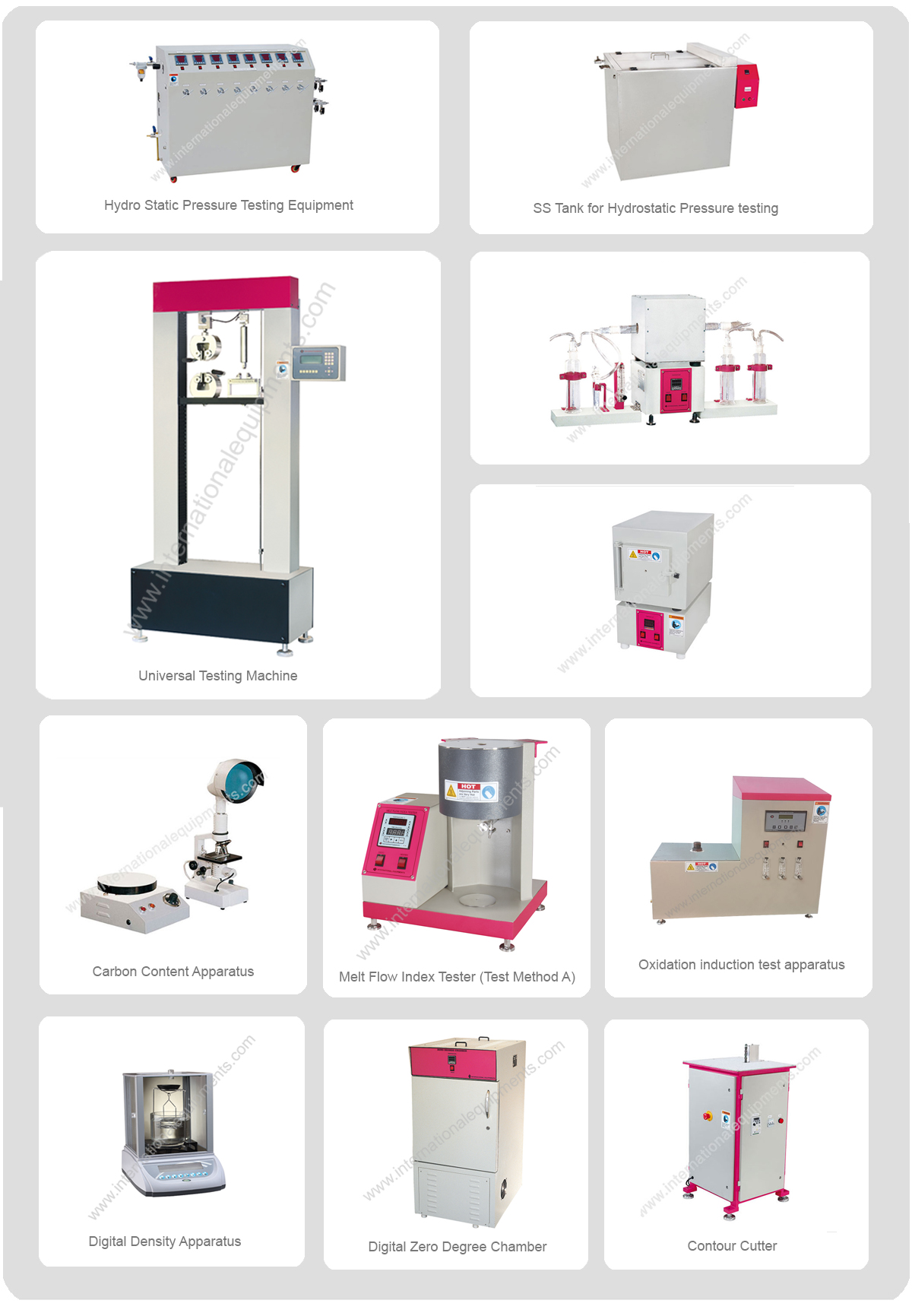
Computerized Hydrostatic Pressure testing Panel.
SS bath for hydrostatic pressure testing from 500 litres to 3,000 litres.
SS End caps ranging from 16 mm diameter to 450 mm diameter.
Oxidation Induction test apparatus (DTA) method to check anti-oxidant properties in pipe.
Universal testing machine to check the Tensile, Elongation & Internal Co-efficient of friction between HDPE pipe and Optical fibre cable.
Melt Flow index tester to check flow properties.
ESCR apparatus
Density apparatus for checking density of granules.
Carbon Black Content apparatus to check % carbon in HDPE
Carbon Dispersion to check uniformity of carbon dispersion in pipes
Impact tester to check impact resistance on wall of pipes.
Muffle Furnace for % ash Content
Contour Cutter with Templates for preparation of different specimen from pipes such as butt-fusion de-welding test & tensile test.
8-station computerised panel with hydro-pneumatic pump, Microcontroller display and PC connection for data logging. Tests up to 8 PLB duct samples simultaneously at controlled pressure (0-100 bar) for durations from 1 hour to 999.9 hours. Central instrument for DOT acceptance testing of PLB duct.
(Optional panels with 1 station, 3 stations, 4 stations so on up to 16 stations could be offered).
What it tests: Internal pressure creep rupture testing of HDPE PLB duct per IS 14930 and ISO 1167.
Double-walled, fully insulated stainless-steel water bath. Capacities from 500 litres up to 4000 litres for PLB duct applications (also available 100-5000 litre range for other pipe types). SS manifolds with quick-release couplings on inside and outside faces for easy hose routing.
What it tests: Insulated water bath that holds PLB duct samples at controlled elevated temperature during hydrostatic creep rupture testing.
Stainless-steel end caps in the full PLB duct diameter range — 16 mm through to 450 mm OD. One end cap has the fill port for water; the other has the pressure-inlet fitting connecting to the inside-tank hose. Supplied as sets matched to the customer's full PLB duct production size range.
What it tests: Pressure-tight end seals for the pipe sample during hydrostatic testing.
Differential Thermal Analysis-based OIT apparatus that measures the oxidation induction time — directly tells you whether the HDPE compound has sufficient antioxidant loading to survive its 50+ year underground service life. Critical DOT-acceptance test.
What it tests: Anti-oxidant content / oxidation induction time of HDPE PLB duct samples per ASTM D 3895 (DTA method).
Twin-column computerised UTM with PC software. Handles three tests on a single machine: (1) Tensile strength + elongation of pipe wall material; (2) Tensile testing of butt-fusion de-welded pipe joints; (3) the special INTERNAL COF test (between pipe wall and OFC) that is unique to PLB duct testing.
What it tests: Tensile strength, elongation at break, and internal coefficient of friction between HDPE pipe inner pre-lubricated layer Vs Optical Fibre Cable per IS 14930.
Available in Manual, Auto-cut and Fully Computerised variants. The gatekeeper test between incoming HDPE polymer batches and the PLB duct extruder — every batch must be MFI-verified before processing to ensure consistent extrusion quality.
What it tests: Melt flow rate of HDPE granules per ASTM D 1238 and ISO 1133 — verifies polymer flow properties before extrusion.
Determines the polymer's resistance to crack initiation under sustained stress when exposed to surfactants — critical because PLB ducts buried underground face exactly this kind of long-term, low-stress, environmentally-aggressive loading. Specified by DOT as a key acceptance test.
What it tests: Resistance to environmental stress cracking of HDPE specimens per ASTM D 1693.
Digital balance with built-in density-determination kit — gives direct density readout. Essential incoming-material QC: tells you that the HDPE polymer batch has the correct density (typically 0.940-0.965 g/cm³ for PLB duct grades) before processing.
What it tests: Density of HDPE granules and finished PLB duct samples per ASTM D 792 (water immersion method).
Dedicated pyrolysis furnace + complete glassware set. Carbon black is the UV stabiliser that protects buried HDPE from UV degradation during storage and pre-installation. Typical loading 2.0-2.5% by mass for PLB duct. DOT requires verification of every batch.
What it tests: Percentage carbon black in HDPE PLB duct by pyrolysis per ASTM D 1603 and IS 4984.
Integrated hot plate + dual-magnification microscope — grades whether the carbon black is uniformly distributed in the polymer matrix (good = uniform dispersion; bad = agglomerated clumps). Together with the Carbon Black Content apparatus, gives the complete carbon-black QC story DOT requires.
What it tests: Carbon black dispersion uniformity (1-6 grade scale) in HDPE PLB duct per ISO 18553.
Drop-tower with 9 calibrated impact-energy combinations (3 fall heights of 500/1000/2000 mm × 3 striker weights of 250/500/1000 g). Tests whether the PLB duct wall survives the impact loading it experiences during cable trenching, installation and accidental excavation strikes. Pairs with the Zero Degree Chamber.
What it tests: Drop-weight impact resistance of whole PLB duct samples per IS 4985, IS 12235 (Part 9) and IS 14930.
High-temperature furnace (ambient to 1150°C) that burns away the polymer matrix, leaving only the inorganic residue. The percentage ash directly indicates the filler / additive loading in the compound — must match the spec for DOT compliance.
What it tests: Ash content of HDPE PLB duct samples per ASTM D 5630 and IS 4984.
Powered cutting tool that follows a template outline — cuts custom specimens from PLB duct wall samples that the standard Hydraulic Press dies cannot produce. Essential for the butt-fusion joint testing required by IS 14930 (where two duct lengths are heat-welded together and the joint tensile-tested).
What it tests: Cutting specimens from PLB duct samples for butt-fusion de-welding tensile testing and other downstream tests.
Refrigerated conditioning chamber — required companion for the Impact Tester for Pipes. Holds the duct sample at 0°C so the impact test simulates the worst-case low-temperature service condition (PLB ducts in northern India experience sub-zero winter ground temperatures).
What it tests: Pre-conditioning of PLB duct samples at exactly 0°C before drop-weight impact testing per IS 4984 and IS 12235 (Part 9).
5-tonne sample cutting press — the foundation instrument for specimen preparation. Cuts ASTM D 638 / ISO 527 dumbbells for the UTM tensile test.
What it tests: Cuts dumbbell, strip and bar test specimens from PLB duct samples for downstream tensile, COF and density testing.
Halogen-lamp moisture analyser — gives fast moisture readout for incoming HDPE granules before extrusion. Excess moisture in granules causes voids and weak spots in extruded PLB duct.
What it tests: Moisture content of HDPE granules before extrusion.
Quality testing of HDPE PLB telecom duct is non-negotiable. Six reasons every PLB duct manufacturer needs a complete in-house testing laboratory:
Mandatory DOT Acceptance Testing
Department of Telecom acceptance of PLB duct supplied to BSNL, BharatNet, Reliance Jio, Airtel and other telecom infrastructure projects requires documented test reports for all the IS 4984-2016 acceptance tests. Without in-house testing capability, manufacturers either depend on slow and expensive external lab testing (delaying every shipment) or cannot supply DOT-accepted duct at all.
BIS / ISI Mark Certification under IS 14930
IS 14930 is the central Indian Standard for HDPE corrugated pipes used for telecom and power cable ducting — and BIS certification under this standard requires the manufacturer to demonstrate in-house testing capability for every test listed in the standard. ISI mark is mandatory for most government and PSU telecom infrastructure tenders.
Long Underground Service Life (50+ Years)
PLB ducts are buried 1 metre underground and expected to provide protective casing for OFC for decades — typically 50+ years for trunk network ducts. The OIT apparatus and ESCR apparatus are the QC instruments that verify the polymer will survive this service life without oxidative degradation or environmental stress cracking. Any duct that fails these tests cannot be released for telecom infrastructure use.
Smooth Internal Surface for Cable Blowing
PLB duct's defining feature is the pre-lubricated, low-friction internal silicon-coated surface that enables high-speed pneumatic OFC blowing across 1 km duct sections. The UTM's INTERNAL COF test specifically measures this critical internal-surface friction — too high a friction value means cable blowing will fail, causing project delays and additional installation cost.
Carbon Black Quality Verification
Carbon black serves as both UV stabiliser AND mechanical reinforcing filler in PLB duct. Insufficient carbon black content (verified by the Carbon Black Content apparatus) means UV degradation during outdoor storage; non-uniform dispersion (verified by the Carbon Black Dispersion tester) means localised weak spots that fail under loading. Both tests are DOT-mandated for PLB duct compounds.
Impact Resistance During Trenching
PLB ducts are physically struck by trenching equipment during installation and by future excavation activities (water pipe, power cable, gas pipe work). The Impact Tester for Pipes + Zero Degree Chamber together verify the duct will survive these impacts at worst-case low-temperature winter conditions when polymers are most brittle.
IS 4984-2016 — Indian Standard for HDPE pipes for potable water supply (also referenced for PLB duct testing by DOT)
IS 14930 — Indian Standard for HDPE corrugated pipes (PLB telecom duct main standard)
DOT (Department of Telecommunication) Specifications — for HDPE PLB duct acceptance testing on telecom infrastructure projects
IS 12235 (Part 9) — Methods of test for unplasticised PVC pipes — Impact resistance at 0°C (cross-referenced for PLB duct low-temperature impact)
ASTM D 1238 — Melt Flow Rates of Thermoplastics
ASTM D 1603 — Carbon Black Content in Olefin Plastics
ASTM D 3895 — Oxidation Induction Time of Polyolefins
ASTM D 1693 — Environmental Stress Cracking Resistance
ASTM D 1598 — Time-to-Failure of Plastic Pipe Under Constant Internal Pressure
ASTM D 792 — Density and Specific Gravity by Displacement
ASTM D 638 — Tensile Properties of Plastics
ASTM D 5630 — Ash Content in Plastics
ISO 1167 — Plastics piping systems — Determination of the resistance to internal pressure
ISO 1133 — Melt Mass-Flow Rate
ISO 18553 — Rubber/Plastic Compounds — Assessment of Carbon Black Dispersion
ISO 11357-6 — Plastics: Differential Scanning Calorimetry — Determination of Oxidation Induction Time
BSNL Specifications — for HDPE PLB duct supplied on BSNL infrastructure projects
BharatNet Specifications — for HDPE PLB duct supplied on BharatNet government broadband projects
Our testing equipment for HDPE PLB duct manufacturers is installed in QC laboratories supplying major Indian telecom infrastructure projects, including:
Oriplast Limited, Balasore — site of our successful Cable Blowing Machine trial demonstrating 1 km OFC blowing in stipulated DOT time
Major HDPE PLB duct manufacturers across India supplying BSNL, BharatNet, Reliance Jio, Airtel and other telecom infrastructure projects
Indian state government broadband projects (state-wide fibre networks)
International telecom infrastructure projects across the Middle East, Africa and South-East Asia
Government test houses and BIS-approved labs that audit incoming PLB duct from competing manufacturers
R&D centres of major Indian and global polymer producers developing PLB-duct-grade HDPE compounds
HDPE Water-Supply Pipe Manufacturers (significant equipment overlap with PLB duct testing)
HDPE Sewerage Pipe Manufacturers (IS 14333)
PE Gas-Pipe Manufacturers
HDPE Drip-Irrigation Pipe Producers
uPVC, CPVC and PPR Pipe Manufacturers (Hydrostatic Pressure Panel + SS Tank shared)
Polymer Compounders & Master-batch Producers (PLB-grade HDPE compound development)
Recycled HDPE Compound Processors
Telecom Infrastructure Companies (BSNL, BharatNet, Reliance Jio, Airtel) — for incoming-duct verification
Government Testing Labs and BIS-Approved Test Houses
Complete DOT / IS 4984 / IS 14930 Compliance from One Supplier
We supply the ENTIRE 13-instrument suite required by DOT specifications and IS 14930 — one supplier for the complete laboratory, one commissioning visit, one training programme.
Cable Blowing Machine Heritage
Our team designed and successfully trialled a Cable Blowing Machine at Oriplast Limited, Balasore — completing 1 km OFC blowing within DOT-stipulated time. We understand the PLB duct application not just as a testing-equipment supplier, but from the practical OFC installation side. This depth of application knowledge directly improves the testing-equipment guidance we give to our customers.
Used by Leading Indian PLB Duct Manufacturers
Our equipment is installed in the QC laboratories of major Indian HDPE PLB duct manufacturers — including Oriplast, plus many others supplying BSNL, BharatNet and the major private telcos. Client list available on request.
Wide PLB Duct Diameter Range Supported
SS End Caps from 16 mm right through to 450 mm OD — covering small subduct through to large primary trunk duct. SS Tank capacities from 500 litres to 4000 litres for the same diameter range. No matter what PLB duct size your plant produces, we have the equipment to test it.
Specialised Internal-COF Test Capability
Our UTM is configured with the specialised fixture for the internal coefficient-of-friction test between HDPE pipe wall and OFC — the unique PLB-specific test that requires custom UTM tooling not found on generic UTM packages. Critical for testing cable-blowing performance of PLB duct compounds.
Complete Laboratory Package Pricing
Buy your entire HDPE PLB duct QC laboratory from us — package quotations cover all 13+ instruments with single commissioning, single training programme. Significantly more attractive than nstrument-by-instrument pricing.
ISO Certified, CE Marked Manufacturing
Designed and built at our Mumbai facility under ISO certified quality systems, with CE marking for export to the Middle East, Africa, South-East Asia, Europe and South America.
Free Installation, Training & Calibration Online
Free on-line commissioning of the complete laboratory, operator training on DOT-acceptance test methodology, factory calibration certificates for every instrument. Single commissioning team installs all 13+ instruments together — minimising plant disruption.
HDPE PLB (Pre-Lubricated) Duct is the protective HDPE conduit, buried approximately 1 metre underground, through which Optical Fibre Cable (OFC) is pneumatically blown using high-velocity cable-blowing equipment. The duct's internal surface is pre-lubricated with a silicon coating that protects the OFC's delicate fibres from abrasion during high-speed insertion, and the duct then protects the OFC from environmental damage for decades. Because PLB duct carries the nation's telecom infrastructure for 50+ year service life, DOT specifies stringent quality testing covering pressure resistance, oxidation resistance, mechanical strength, carbon black UV stabilisation, environmental stress cracking and impact resistance — all verified per IS 4984-2016 and IS 14930.
The minimum 'DOT-essential' instrument set includes: (1) Hydrostatic Pressure Testing Panel + SS Tank + End Caps for the central pressure test; (2) OIT Apparatus for antioxidant content verification; (3) Carbon Black Content + Carbon Black Dispersion testers for UV-stabilisation QC; (4) UTM for tensile, elongation and the special internal-COF test; (5) Melt Flow Index Tester for raw material QC; (6) Density Apparatus for incoming polymer verification; (7) ESCR Apparatus for stress-cracking resistance; (8) Impact Tester for Pipes + Zero Degree Chamber for low-temperature impact; (9) Muffle Furnace for ash content; (10) Contour Cutter for specimen preparation. Without ANY one of these instruments, DOT acceptance testing cannot be completed in-house.
The internal COF test measures the friction between the inside surface of the HDPE PLB duct and the outer surface of the Optical Fibre Cable being blown through it. This is fundamentally different from the standard plastic-on-plastic COF test (ASTM D 1894) — it specifically tests the cable-blowing characteristic of the silicon-pre-lubricated internal duct surface. Too high an internal COF value means cable blowing will stall before reaching the design distance (1 km or more), causing project delays and additional installation cost. Our UTM is configured with the specialised internal-COF fixture for this PLB-specific test — generic UTM packages from other suppliers cannot perform this test without custom tooling.
Yes. We commonly supply complete HDPE PLB duct QC laboratories as a single integrated quotation — covering all 13+ instruments listed on this page, with one commissioning visit, one training programme covering all instruments and DOT-acceptance test methodology, one set of factory calibration certificates, and one AMC contract. Package pricing is significantly more attractive than buying instruments one-by-one over time. Please share your typical PLB duct diameter range and production volume in the enquiry — our team will recommend the right instrument configuration and quote the complete package.
Yes — there is significant equipment overlap between HDPE PLB duct testing (IS 14930) and HDPE water pipe testing (IS 4984). Both require Hydrostatic Pressure Panel, OIT, MFI, Carbon Black Content + Dispersion, Density, ESCR, Impact Tester + Zero Degree Chamber, UTM and Muffle Furnace. The main differences: PLB duct testing adds the unique internal COF test (between duct wall and OFC) and butt-fusion joint testing; HDPE water pipe testing emphasises slightly different pressure and impact test parameters. Manufacturers producing BOTH HDPE water pipe and PLB duct typically need the SAME basic instrument suite — adding only the PLB-specific UTM internal-COF fixture if they don't already have it.
It depends on your typical PLB duct sample length, sample diameter and parallel-test count. General sizing: 500-1000 litres for small subduct samples (16-40 mm OD); 1000-2000 litres for mid-range duct (40-110 mm OD) tested in small batches; 2000-3000 litres for larger duct (up to 200 mm OD) tested 4-6 in parallel; 3000-4000 litres for very large primary trunk duct or running all 8 stations of the Hydrostatic Panel in parallel. Please share your typical PLB duct diameter range and parallel-test requirements — our team will recommend the right SS Tank capacity.
The Cable Blowing Machine trial at Oriplast Limited, Balasore was a major engineering project we successfully delivered — proving 1 km OFC blowing in DOT-stipulated time on actual production PLB duct. The project gave us deep understanding of the cable-blowing application from BOTH sides: the duct manufacturer's side (what QC tests really matter for cable-blowing success) and the installer's side (what failure modes show up in the field). This application knowledge directly informs our testing-equipment design — particularly the UTM internal-COF fixture, which we configured specifically to predict cable-blowing performance from a laboratory measurement.
Yes. We provide free online installation, commissioning, and operator training. On-site installation and training can also be arranged on a chargeable basis depending on location and requirements.
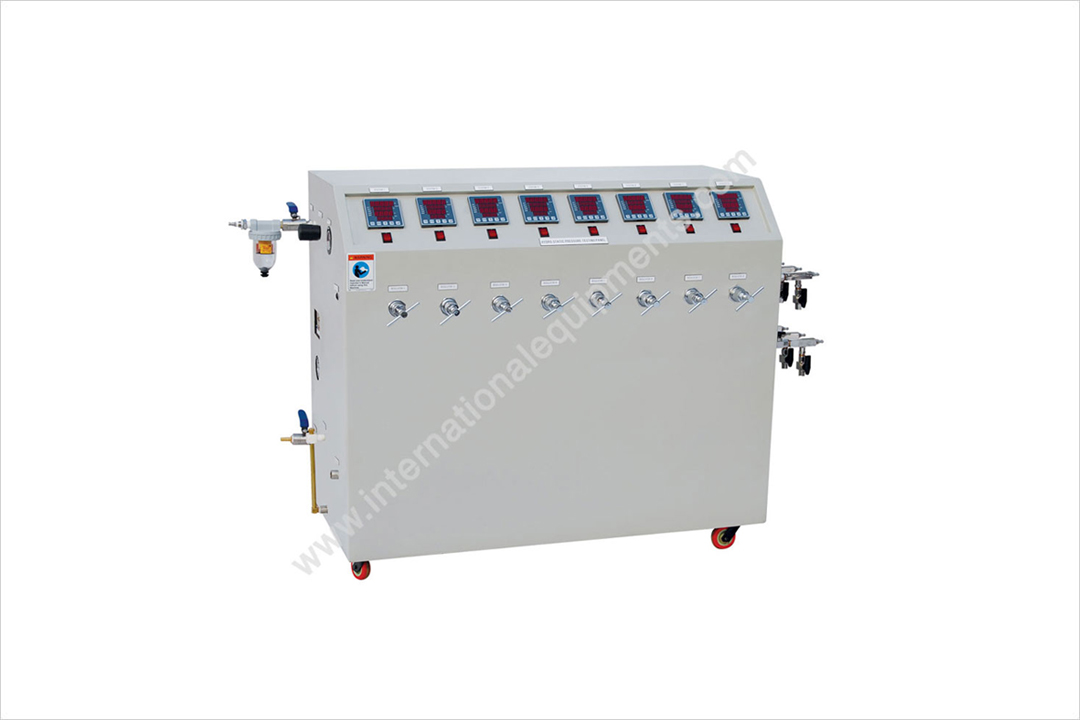
Computerised Hydrostatic Pressure Testing Panel

SS Tank for Hydrostatic Pressure Testing
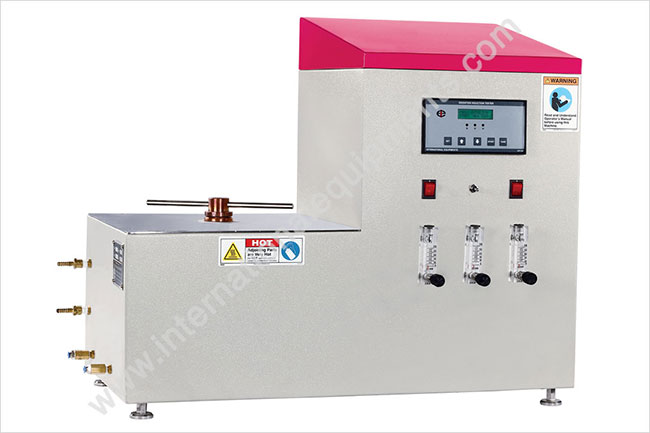
Oxidation Induction Tester (OIT)
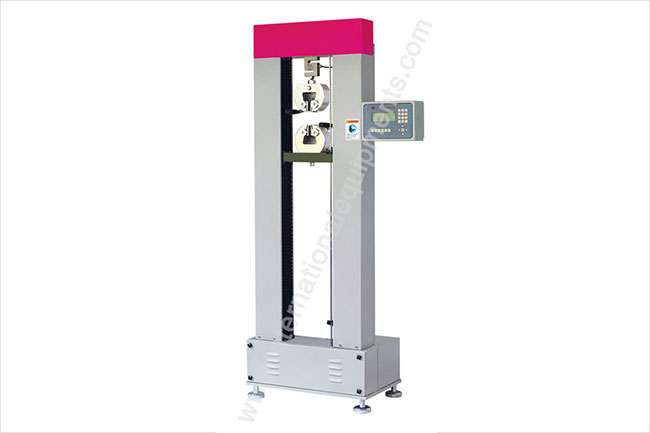
Universal Testing Machine (UTM)
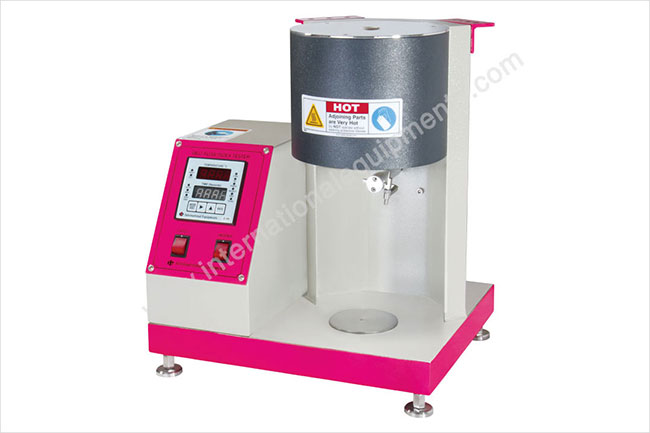
Melt Flow Index Tester
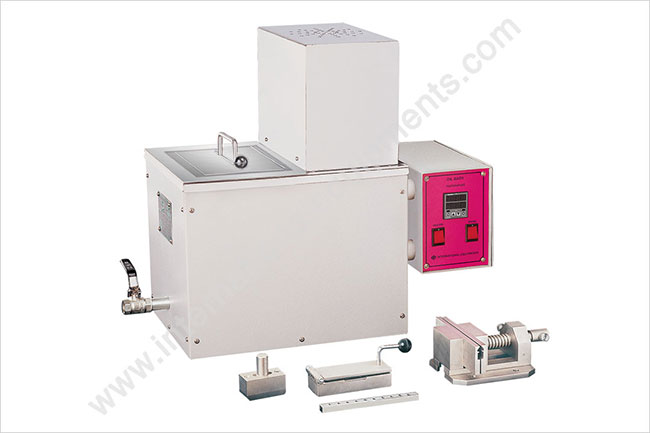
E.S.C.R. Apparatus
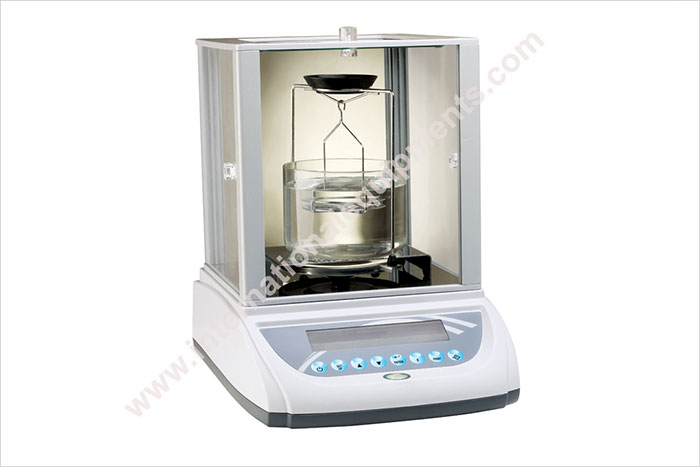
Digital Density Apparatus
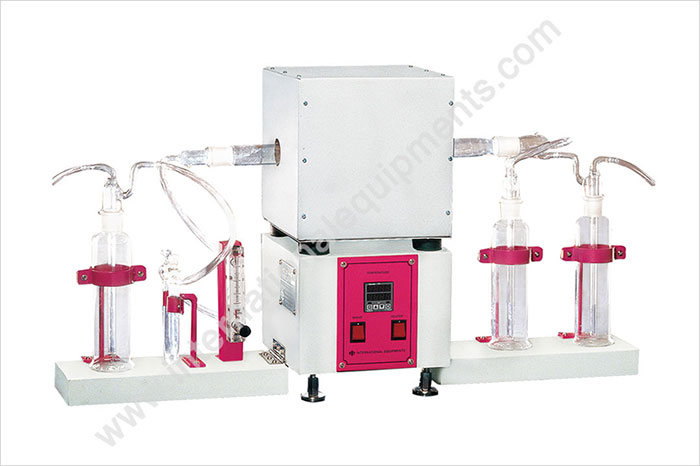
Carbon Black Content Apparatus
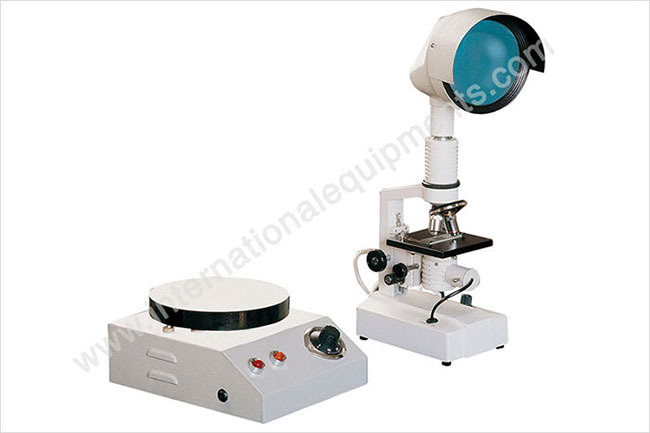
Carbon Black Dispersion Tester
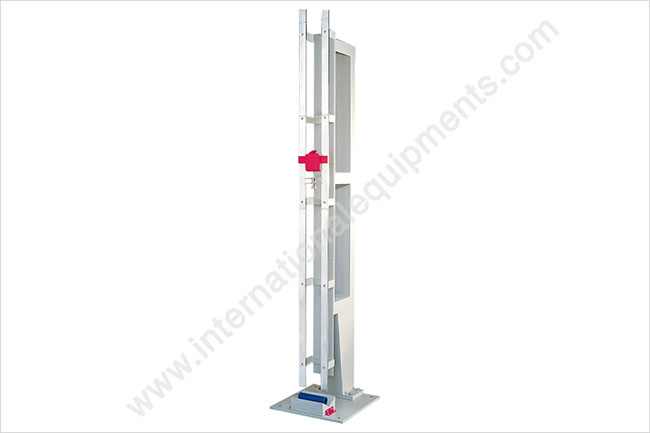
Impact Tester for Pipes
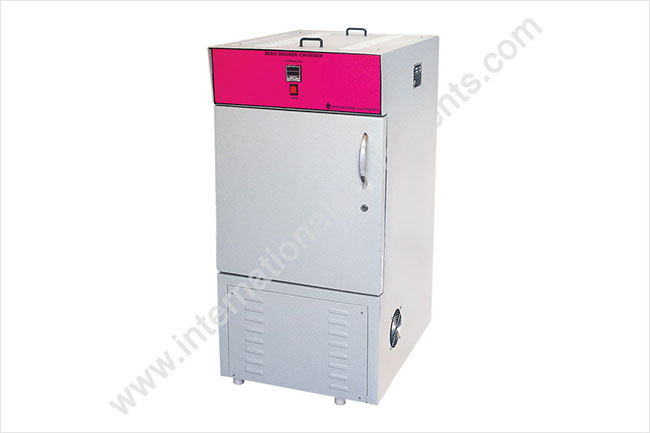
Digital Zero Degree Chamber
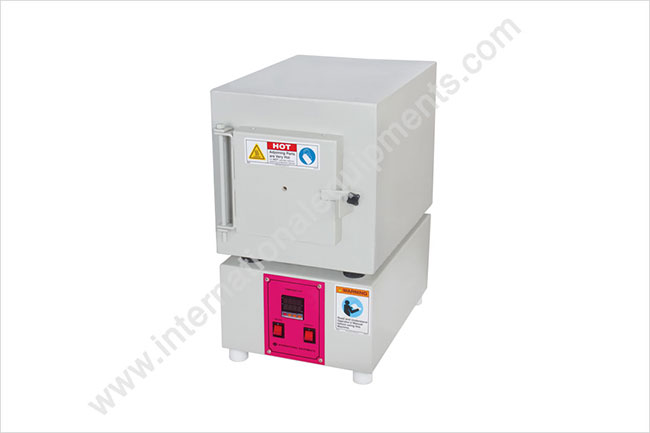
Muffle Furnace
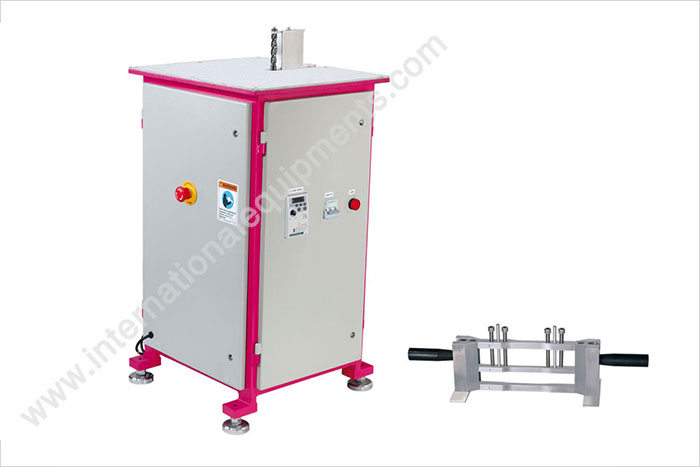
Contour Cutter with Templates
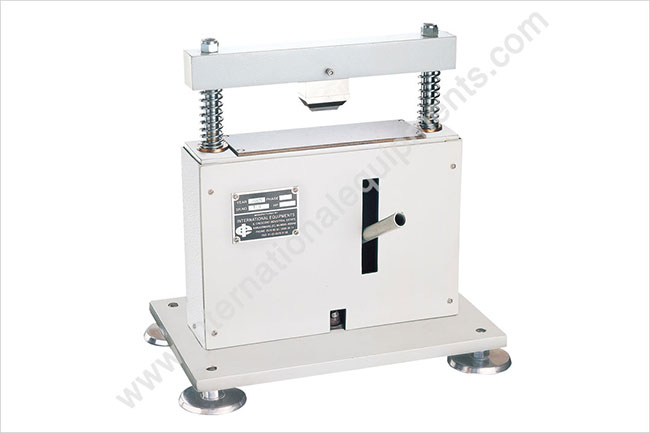
Hydraulic Press (Sample Cutting Press)
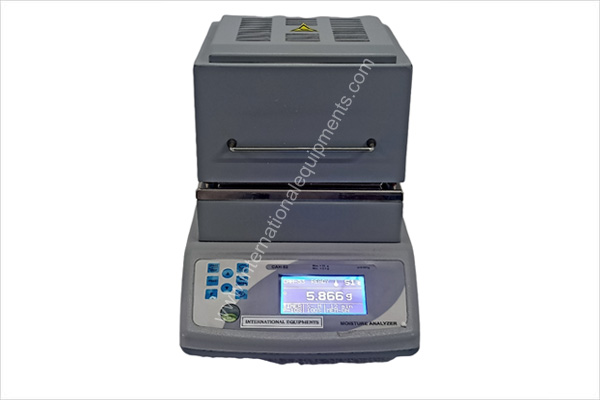
Moisture Analyser
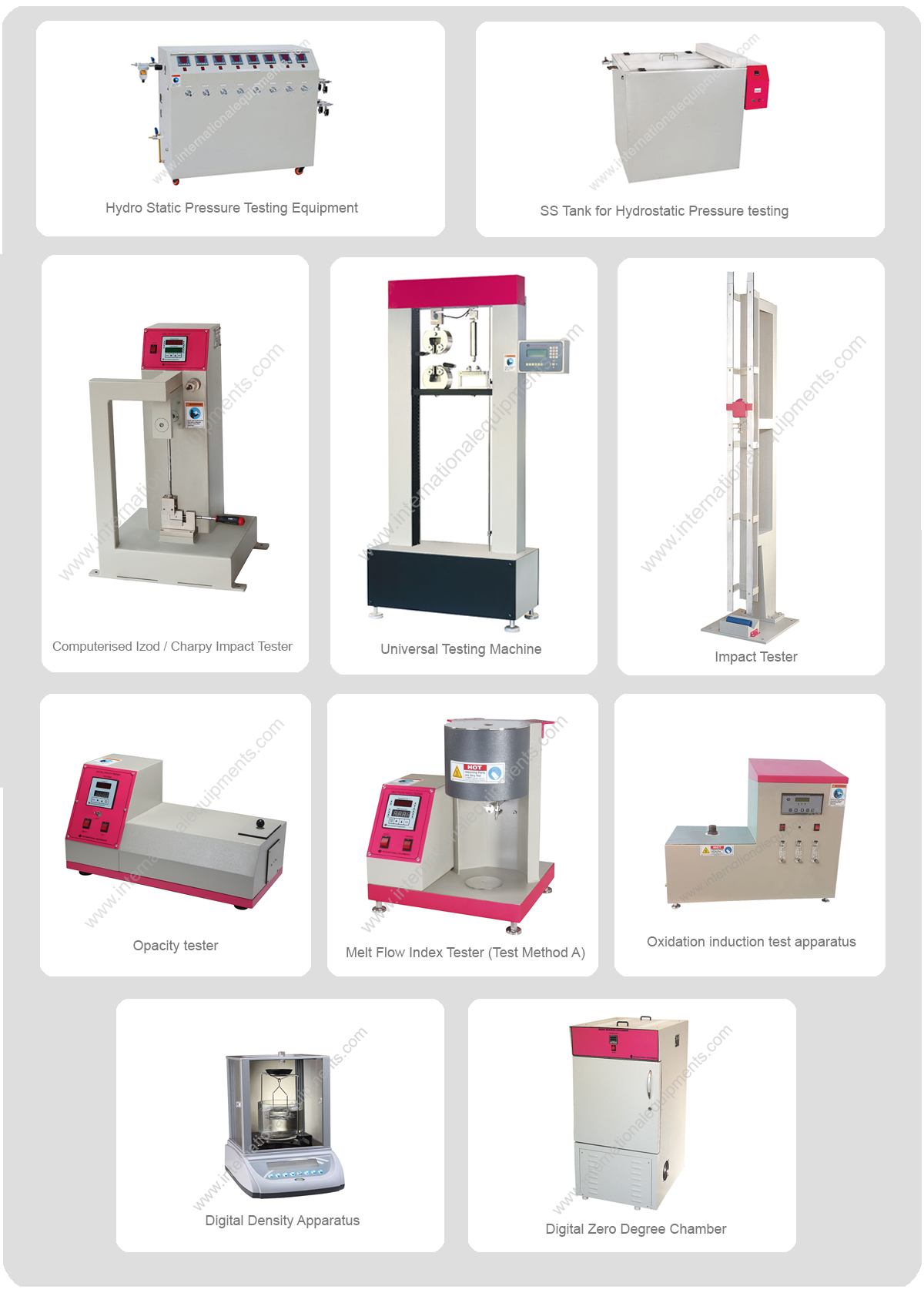
Testing Equipment for Plastic Pipe Manufacturers
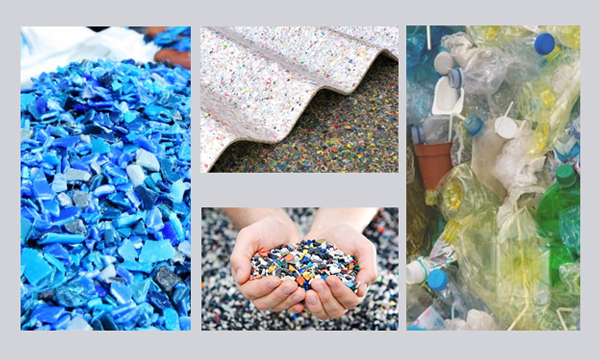
Testing Equipment for Recycled Plastics
Pipe Testing Equipments
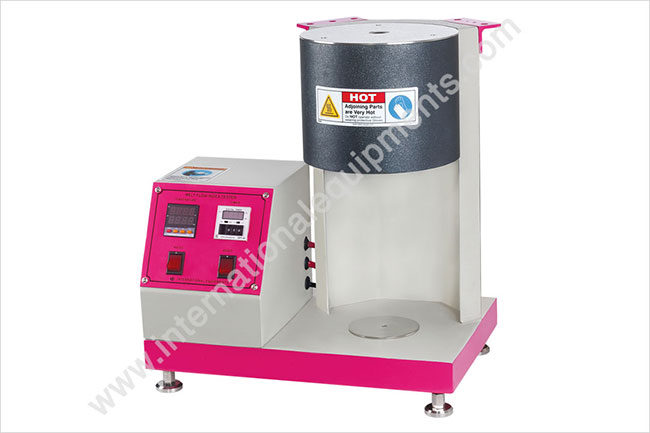
Plastic Testing Equipments
Computerised Hydrostatic Pressure Testing Panel
SS Tank for Hydrostatic Pressure Testing
Oxidation Induction Tester (OIT)
Universal Testing Machine (UTM)
Melt Flow Index Tester
E.S.C.R. Apparatus
Digital Density Apparatus
Carbon Black Content Apparatus
Carbon Black Dispersion Tester
Impact Tester for Pipes
Digital Zero Degree Chamber
Muffle Furnace
Contour Cutter with Templates
Hydraulic Press (Sample Cutting Press)
Moisture Analyser
Testing Equipment for Plastic Pipe Manufacturers
Testing Equipment for Recycled Plastics
Pipe Testing Equipments
Plastic Testing Equipments
Contact International Equipments today for a personalised quotation, demo video, or factory visit. Our team is ready to help you choose the right Testing Equipment for HDPE PLB Duct model for your laboratory.
Get Free Quote